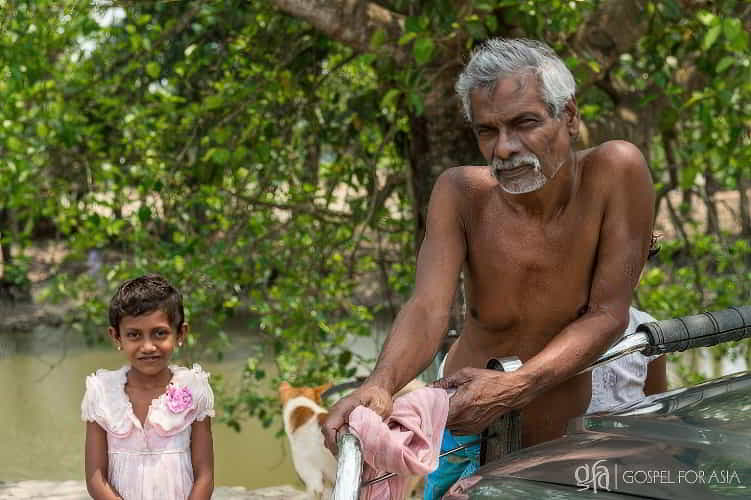

What Lessons Can Be Learned from A Christian Missionary Testimony?
A Christian missionary testimony, such as Ruth’s story,[1] serves as a powerful example of how God’s love and compassion can renew lives and bring hope to even the bleakest situations. This story teaches us profound lessons about faith, perseverance, and the power of unconditional love to break cycles of pain and rejection. At GFA World, we see these types of testimonies as reflections of Christ’s work through His people, offering valuable insights for all who seek to follow Him.
These powerful stories remind us that transformation begins when someone witnesses God’s love through action, not just words. When believers demonstrate compassion consistently, lives change in ways that echo through generations.
Seeing Every Person Through God’s Eyes
The reality Ruth faced mirrors a global crisis. Recent data shows that in countries as diverse as Afghanistan and the United States, women and girls now have fewer rights than their mothers and grandmothers did. Child marriage remains widespread in many regions, reducing girls’ education and resulting in some of the highest rates of early childbearing worldwide.
One key lesson from Ruth’s testimony is the importance of seeing every person as valuable and loved by God. Ruth’s early years were marked by rejection and abuse simply because she was born a girl.
Her father’s deep resentment toward her highlights the cultural preference for sons in many parts of the world, where daughters are often seen as burdens. According to UN Women research, just 39 percent of rural girls attend secondary school globally, far fewer than rural boys at 45 percent or urban girls at 59 percent.
Yet, Ruth’s encounter with a GFA pastor and women missionaries introduced her to a Heavenly Father who cherished her deeply. Through the Holy Spirit, these servants brought a message of worth that transcended cultural barriers. These missionaries embodied Christ’s love, showing Ruth she was not a mistake but fearfully and wonderfully made in God’s image.
This encounter reveals how God’s love breaks through the deepest wounds. When people experience unconditional acceptance, especially after years of rejection, something profound shifts in their understanding of who they are and whose they are.
The crisis extends beyond individual families. Save the Children analysis revealed that an estimated 1 in 3 women globally have experienced physical or sexual violence in their lifetime, mostly at the hands of their partners. Types of violence may include prenatal sex selection, female infanticide, neglect, female genital mutilation, and child marriage.
The Power of Persistent Faith
Another lesson from her story is the enduring impact of persistence in sharing the Gospel. Despite Ruth’s father’s hostility, the missionaries continued visiting her family, sharing the truth of the Good News with kindness and patience. Their unwavering commitment eventually softened the hearts of Ruth’s parents, leading them to embrace Christ. This demonstrates that missionary work is not always about immediate results but about planting seeds of faith that can flourish over time.[2]
For those called to the mission field, this patience becomes essential. The work often unfolds slowly, requiring believers to trust that God is working even when visible results seem distant or delayed.
This kind of commitment produces lasting fruit. One ministry director shared that 34 young men who came to faith at a teen conference are all now in full-time ministry themselves, reaching some of the most rural parts of their nation. The ripple effect of one faithful encounter extends far beyond what we can immediately see.
True ministry requires both boldness and humility. Those who serve learn to depend completely on God’s timing and methods, recognizing that their role is to plant and water while God brings the growth.
Hope and Healing Break Cycles of Rejection
Ruth’s story also underscores the importance of hope and healing in breaking cycles of despair. As a child, Ruth yearned for love and acceptance, finding neither in her home.
Research on long-term faith development, documented by the Fuller Youth Institute, found that ministries fostering lasting faith are centered on Christ rather than behavior management. When students grasp the gospel as more than rules, faith takes root that withstands life’s challenges.
It was through the persistent care and spiritual guidance of the missionaries that Ruth discovered her worth in God’s eyes. As she trusted God with her pain, the healing power of forgiveness became real in her life. Her faith journey not only changed her own life but also led to reconciliation with the father who had once rejected her.
God’s redemptive power transforms even the most broken relationships. When people encounter Christ’s love, they gain capacity to forgive wounds that once seemed unforgivable.
Reconciliation in families requires both divine intervention and human willingness. As one family counselor explained, coming back into a family is awkward, and old patterns will re-emerge, but choosing grace over withdrawal creates space for healing. This miraculous renewal serves as a testament to the redemptive power of Christ’s love, showing that no heart is too hardened to be reached.[3]
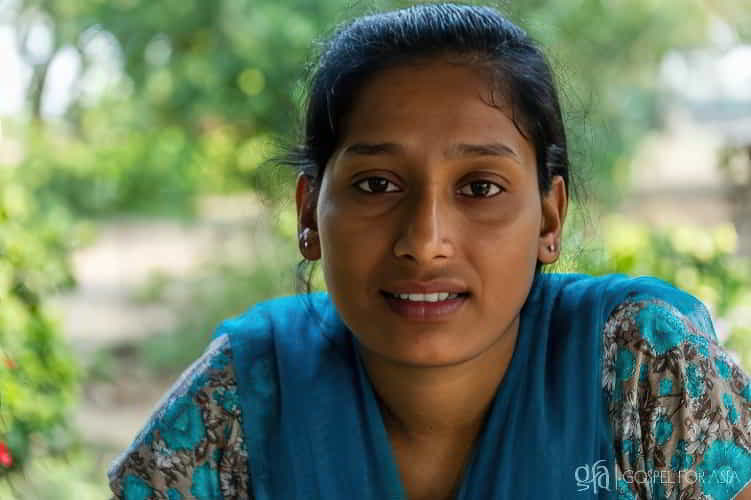
Challenging Cultural Norms That Devalue Life
A final lesson is the role of Christian missionaries in challenging societal norms that devalue life. The global crisis of gendercide and the devaluation of daughters highlight the urgent need for missions that affirm the worth of every individual.
The scope of discrimination is staggering. UN Foundation research found that globally, only 56 percent of women are able to make their own decisions about their sexual and reproductive health and rights. When we praise God for every life He creates, we stand against systems that assign worth based on gender.
Ruth’s testimony reminds us of the millions of girls worldwide who face similar rejection and abuse simply for being born female. By sharing God’s truth and love, GFA missionaries can help shift cultural mindsets and restore the dignity of those deemed unworthy.[4]
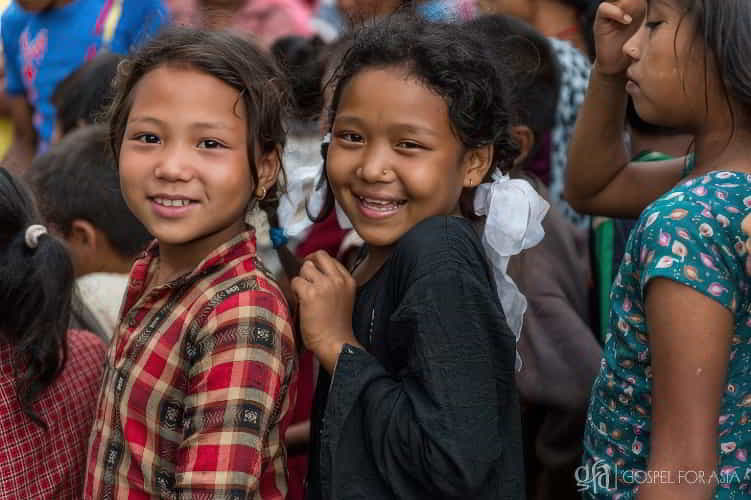
Change comes as communities witness Christ’s love in action. When missionaries serve with consistency and compassion, demonstrating that every person matters to God, they plant seeds that can transform entire villages and regions over time.
Studies on ministry effectiveness, examining long-term impact, reveal that authentic community and sustained relationships prove crucial.
Friendships formed through ministry often endure between those who maintain faith and those who later drift, yet these connections continue to bear witness across the years.
For those who feel called to serve, Ruth’s story offers both inspiration and instruction. Effective ministry begins with seeing people as God sees them, continues through patient persistence, and bears fruit as the Holy Spirit works in hearts that seemed closed.
Christian missionary testimonies like Ruth’s inspire us to persevere in faith, love without condition, and see every individual as God does—precious and irreplaceable. At GFA World, we are privileged to witness these stories of renewal and redemption, which affirm that the light of Christ can penetrate even the most forsaken corners of the world. Sponsoring a GFA missionary helps keep this light shining.
May we carry forward the lessons learned from testimonies like Ruth’s, trusting that God’s love can reach anyone, heal any wound, and transform any life. The work continues, and the harvest remains plentiful.
What do Christian missionaries do? Learn more at GFA World[1] “Their Newborn Daughter Was a Disgrace to Them.” Patheos. October 11, 2017. https://www.patheos.com/blogs/gospelforasia/2017/10/gospel-asia-newborn-daughter-disgrace-possible-kill-father-fumed/. Accessed March 27, 2026.
[2] Ibid.
[3] Ibid.
[4] Ibid.