
What Do Christian Missionaries Do

What Are the Activities of Christian Missionaries, and How Do They Serve Others?

The activities of Christian missionaries encompass a broad range of efforts designed to bring hope, healing and life changes to communities in need. At GFA World, these activities are carried out with a deep commitment to reflecting Christ’s love through both spiritual and practical means, meeting people where they are and addressing their most pressing needs. GFA missionaries serve not only by sharing the Good News but also by living it out through actions that change lives. These missionary activities span healthcare, education, community development, and spiritual care—all working together to address the whole person and bring lasting transformation.

The breadth of this work reflects a holistic understanding of human need. When communities receive clean water, medical care, and educational opportunities, they gain more than physical resources. They discover dignity, hope, and the tangible expression of God’s love.

Core Missionary Activities That Transform Lives

Healthcare and Medical Missions

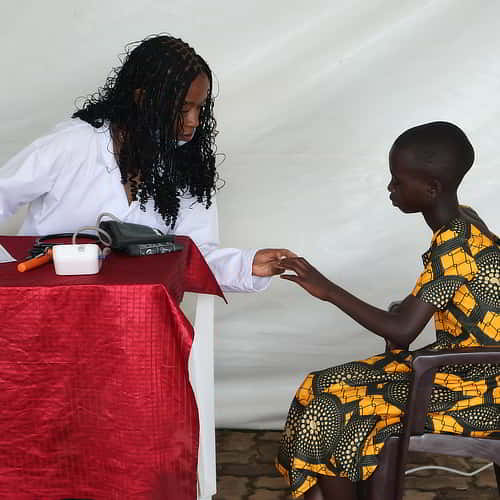
One significant area of focus for GFA missionaries is healthcare. Many of them work tirelessly in underserved communities where medical care is scarce or unaffordable, and they strive to help. For example, GFA missionaries provide medical assistance to a family whose lives were profoundly impacted by illness and poverty. By offering care, they demonstrated God’s love in tangible ways, ultimately fostering relationships that opened hearts to Christ.[1]

Medical missions represent a cornerstone of humanitarian aid efforts worldwide. Research shows that faith-based organizations provide approximately 90% of initial humanitarian aid in disaster zones, often being the first responders when crisis strikes. Through medical camps, mobile clinics, and health education programs, missionaries bring essential services to regions where government infrastructure remains limited.

This care extends beyond emergency response. Preventive measures transform entire communities when missionaries introduce hygiene education, vaccination programs, and sustainable health practices. Families gain the knowledge to protect themselves from disease, reducing child mortality and improving life expectancy in measurable ways.

Education and Empowerment

Education is another critical activity of Christian missionaries. In regions where children lack access to quality education, GFA missionaries provide education support to help children be successful. They provide adults with vocational training that equip individuals with practical skills and knowledge to earn more income, while instilling hope, confidence and self-respect. This work ensures that entire families can break free from the cycle of poverty and begin to experience the abundant life promised in Christ.[2]

Educational initiatives create ripple effects that reshape futures. When a child learns to read, an entire family gains access to information that was previously closed. When a parent receives vocational training, household income can increase dramatically—sometimes doubling or tripling within months.

Yet the transformation runs deeper than economics. Education empowers individuals to advocate for themselves, participate in civic life, and make informed decisions about health and family. It breaks generational patterns of illiteracy and dependency, enabling communities to support themselves and grow their local economies through sustainable practices.

Specialized Roles in Missionary Work

Women in Ministry

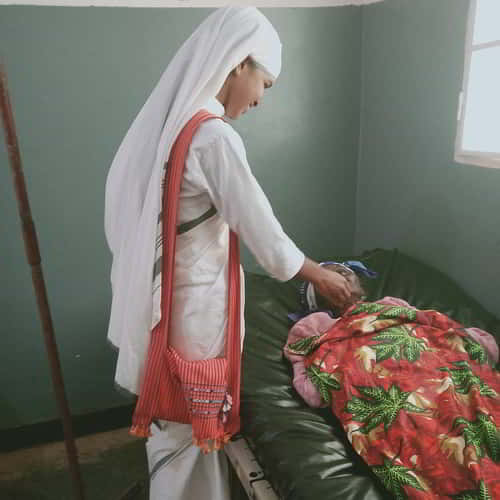
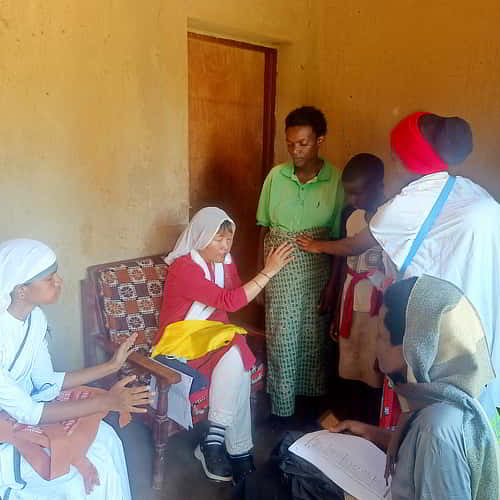
Women missionaries, including those involved with GFA’s Sisters of the Cross, play a unique and vital role. These dedicated women often serve as a bridge between the church and the community, providing care to those who are most vulnerable, such as widows, orphans and the elderly. They offer services like literacy training, health education and food distribution, all while sharing Christ’s message of love and redemption. Their work exemplifies the heart of servant leadership, bringing dignity and hope to those who need it most.[3]

The contributions of women in missionary work cannot be overstated. In many cultures, women can access homes and build relationships that male missionaries cannot. They reach mothers, daughters, and entire families with a message of equality and worth that challenges deeply entrenched social structures.

Through their ministry, women missionaries address issues that others often overlook. Literacy programs for women create pathways out of poverty. Health education reduces maternal and infant mortality. Food distribution keeps families fed during crisis. Each act demonstrates that every person—regardless of gender or status—holds infinite value in God’s eyes.

Those who commit to serving full time as missionaries represent a significant force for transformation. According to recent mission statistics, there are approximately 435,000 Christian missionaries sent globally across all denominations, with thousands serving through organizations like GFA World. These dedicated individuals leave comfortable lives to live among the communities they serve, learning languages, adapting to cultures, and building trust over years of faithful presence.

Full-time missionaries provide continuity that short-term efforts cannot match. They witness the slow, steady work of discipleship—the conversations, setbacks, and breakthroughs that mark genuine spiritual growth. They become embedded in communities, sharing joys and sorrows, celebrating weddings and mourning losses, demonstrating Christ’s love through every season of life.

Partnership and Collaboration

Collaboration with local churches forms the backbone of sustainable missionary work. Rather than operating independently, effective missionaries partner with indigenous church leaders who understand their communities’ unique needs and cultural context. This partnership model ensures that ministry efforts align with local priorities and can continue long after external support ends.

When missionaries work alongside local congregations, they multiply their impact. Local pastors provide insight into community dynamics, identify those most in need, and navigate cultural sensitivities that outsiders might miss. Together, they develop programs that communities embrace rather than resist, creating ownership and sustainability.

This collaborative approach also addresses a critical challenge in global missions. Strategic partnership between churches and mission agencies creates pathways for long-term effectiveness, ensuring that missionaries receive proper training, adequate support, and meaningful accountability. Both parties share responsibility—churches handle discipleship and vetting, while agencies provide cross-cultural logistics and specialized training.

Long-Term Impact and Sustainability

Disaster Relief and Recovery

GFA World missionaries also participate in disaster relief, offering critical aid to families displaced by natural disasters or conflict. By addressing immediate physical needs such as food, shelter and clothing, missionaries provide a lifeline to those in crisis while pointing them toward Christ, the ultimate source of hope.[4]
Those committed to serving long term in disaster-affected regions understand that recovery requires more than immediate relief. After the initial crisis passes, communities need sustained support to rebuild homes, restore livelihoods, and regain stability. Missionaries who remain present through the long rebuilding process help families navigate trauma, access resources, and find renewed purpose amid loss.

This enduring commitment distinguishes missionary disaster relief from temporary interventions. While emergency aid addresses urgent survival needs, long-term presence creates space for healing. Families gain access to counseling, children return to school, and communities develop resilience to face future challenges with greater strength.

Community Transformation

The transformation extends to every dimension of quality of life. When missionaries introduce sustainable agricultural practices, communities experience improved food security and economic stability. When they establish clean water systems, waterborne diseases decline sharply and women gain hours previously spent walking to distant wells. When they provide micro-finance opportunities, entrepreneurship flourishes and household incomes rise.

These quality of life improvements create visible, measurable change. Health metrics improve as access to medical care increases. Educational attainment rises when children can attend school consistently. Economic indicators shift upward as families gain skills and resources to support themselves. Each advancement reflects God’s desire for human flourishing in every sphere of life.

The cumulative effect of sustained missionary presence reshapes entire communities. Infrastructure development—roads, bridges, water systems—facilitates trade and mobility. Cooperative farming models and credit systems give farmers resources to grow their businesses. Agricultural innovations increase food production, allowing communities to support themselves and build local economies that endure.

The Biblical Foundation for Missionary Work

The Great Commission

The mandate for missionary service flows directly from Jesus Christ’s final instructions to His followers. In Matthew 28:18-20, Jesus declared, “All authority in heaven and on earth has been given to me. Therefore go and make disciples of all nations, baptizing them in the name of the Father and of the Son and of the Holy Spirit, and teaching them to obey everything I have commanded you.” This Great Commission establishes the theological foundation that has driven Christian missions for two millennia.

The significance of this passage extends beyond a simple command. Jesus first affirms His complete authority over all creation, then passes that authority to His disciples for the first time. By tying together Matthew’s most dominant themes, these verses give new depth that reaches back and sheds light on the entire gospel. The making of disciples becomes an active process that the entire Church must continuously participate in—across the street and around the world.

This biblical mandate shapes how missionaries approach their calling. They understand themselves as part of an unbroken chain of obedience stretching back to those first disciples. The promise “I am with you always, to the end of the age” assures them that they do not labor alone. Christ’s presence empowers their work, His authority validates their message, and His commission compels them forward.

Holistic Ministry in Practice

Yet missionary work involves far more than verbal proclamation. The activities described throughout this article—healthcare, education, disaster relief, community development—all represent practical expressions of Christ’s love. By meeting both spiritual and physical needs, missionaries follow Jesus’s own pattern of ministry, which combined teaching with healing, proclamation with compassion, and words with deeds that demonstrated God’s kingdom breaking into human experience.

This holistic approach reflects a profound theological truth. Humans are not merely spiritual beings requiring only doctrinal instruction. We are embodied creatures with complex needs—physical, emotional, social, and spiritual. When missionaries address the whole person, they honor God’s design and demonstrate that the gospel speaks to every dimension of human existence.

The impact of these activities of national missionaries is transformative. Through their dedication, missionaries inspire change not only in individuals but also in entire communities. By reflecting Christ’s compassion and sharing His message of salvation, they demonstrate that faith is not just words but actions that make a real and lasting difference in the lives of others.

The stories that emerge from missionary fields worldwide testify to the power of faithful service. A child rescued from exploitation finds safety and hope. A widow receives dignity and provision. A father gains skills to support his family. Each transformation radiates outward, touching families, neighborhoods, and eventually entire communities with the tangible reality of God’s love.

This ripple effect creates change that outlasts any individual missionary’s tenure. When local leaders are trained and equipped, they continue the work long after external support ends. When communities develop sustainable systems, they build resilience against future crises. When people encounter Christ through both proclamation and demonstration, they often become the next generation of missionaries to their own people.

What do Christian missionaries do? Learn more at GFA World

[1] “God Provides Healing and a Home.” GFA World. November 2024. https://www.gfa.org/news/articles/god-provides-healing-and-a-home/.
[2] “She Wanted More.” GFA World. November 2023. https://www.gfa.org/news/articles/she-wanted-more-csp10/.
[3] “Sisters of the Cross.” GFA World. Accessed December 20, 2024. https://www.gfa.org/women/sisters-of-compassion/.
[4] GFA World. “Pray for Disaster Relief.” Accessed January 25, 2025. https://www.gfa.org/pray/disaster-relief/.