
Disaster Relief Organizations

What Is the Purpose of Faith-based Disaster Relief Organizations?

1 John 3:17 asks an important question: “But whoever has this world’s goods, and sees his brother in need, and shuts up his heart from him, how does the love of God abide in him?” That verse spells out just one purpose of faith-based disaster relief organizations. Here are others:

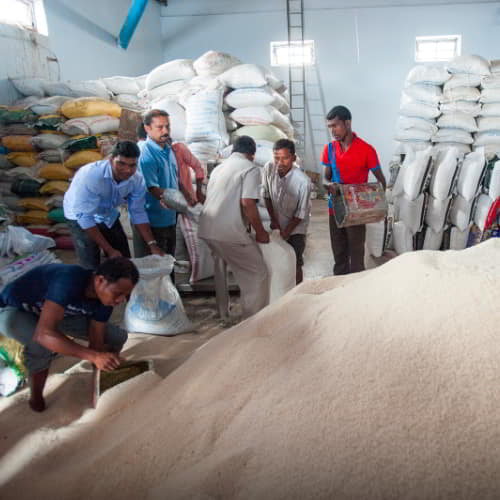
When disaster strikes, people can face urgent needs and long weeks of rebuilding. Faith-based help can come through local churches, ministries, and networks such as catholic charities. Organizations like the Salvation Army have responded to disasters for over a century, providing food, shelter, and emotional care. Many disaster specialists describe phases of help that include response, recovery, risk mitigation, and preparedness.[1]

Bring tangible help – Tangible help is essential after a disaster or natural emergency. People need immediate assistance with food, clothing, medical care and shelter. People are often left with nothing. Families may lose homes, possessions, and sources of income in a matter of hours. They need to start their lives completely over. Relief organizations can provide the help to get people back on their feet again.

These organizations may also help the whole community. For example, they can provide clean water in areas where infrastructure has been destroyed. This may be done immediately through tanks of water. It can also happen long term, by helping drill a new well or repairing the infrastructure. According to American Red Cross data, emergency shelters can house thousands of people during major disasters.

In the first hours after natural disasters, families may need safe water, basic medical help, and temporary shelter.[2] A careful disaster response also asks good questions and responds with respect, not assumptions. Many public guides suggest giving money through trusted organizations, because it helps teams buy what is needed and adapt as needs change.[3] Coordinating with local authorities helps relief groups avoid duplication and fill actual gaps in service. Strong disaster preparedness can also begin long before a crisis, with simple plans and practiced routines that reduce harm.[4]

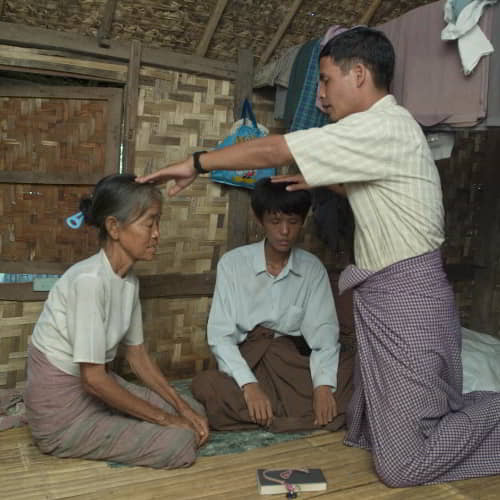
Show the love of God – Faith-based organizations bring more than tangible relief. They also bring the life-changing hope of Jesus. Through faith, survivors can find healing and hope for a better future. Organizations often work with the local churches to meet the spiritual needs of the community. Many people have never heard about the love of Jesus. What a great honor to show them from the Bible how much Jesus loves them. Trained chaplains and spiritual care providers can offer comfort while respecting each person’s beliefs and background. In practice, spiritual care should be offered with humility and respect.

It can look like listening and prayer when welcomed. It can look like connection to a local church that can keep walking with families after the first crisis days. Many relief organizations train their staff and volunteers in appropriate spiritual care protocols to ensure respect and sensitivity. National VOAD’s guidance highlights respectful support for spiritual needs throughout disaster situations.[5]

Go where others are unwilling – Relief organizations go where others are unwilling to go. This includes leprosy colonies or refugee camps or neighborhoods filled with disease. Faith-based missionaries compassionately go into these areas with medical care, training, education and more. They go with love to those who have been ostracized or shunned by others. This can include areas affected by armed conflict, epidemic zones, or communities recovering from human trafficking. Some places are simply hard to reach or easy to overlook. In those settings, trained disaster support can help teams serve safely and steadily. Working with local leaders can also reduce confusion and protect dignity during distributions.

Deliver hope in difficult situations – Hope is often the thing that is missing the most. It can help the most. Through prayer and compassion, God can mend hearts and bring comfort to the grieving. Real relief and recovery isn’t only about supplies. It is also about steady care when shock and grief settle in. Trauma-informed approaches recognize that disasters can trigger deep emotional wounds that need gentle, patient care. After loss, emotional and spiritual needs can rise side by side.

Recovery efforts may include counseling, a calm place to talk, and help rebuilding everyday routines that bring stability.[6] Research from FEMA’s Community Recovery Management Toolkit shows that full community recovery from major disasters often takes three to five years or longer. Many nonprofits caution that recovery can take years, so steady support still matters long after attention fades.[7]

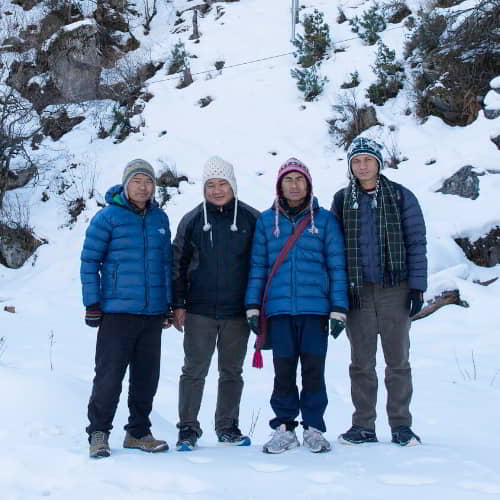
Ongoing support – Faith-based organizations are often in an area for as long as needed. For example, GFA World uses national missionaries and pastors to continue the work in these communities. Long after the other organizations have left, GFA pastors and their churches continue to serve. This sustained presence builds trust and allows for deeper relationships that temporary relief teams cannot establish. They continue to bring the hope of Jesus to the community or village, because they live among the very people they are ministering to.

In many communities, long term recovery is built one practical step at a time. It often takes shared planning, clear communication, and patient follow-through. Local recovery committees can help prioritize unmet needs and ensure families who are struggling don’t fall through the cracks. National VOAD describes how communities may organize long-term recovery groups to coordinate volunteers, donations, and unmet needs as rebuilding continues.[8]

Will you join us in supporting these faithful missionaries and pastors who serve in Africa and Asia? God is blessing GFA’s work. People are coming to know and love Jesus. They are finding the hope that He brings to desperate situations. If you are deciding where to help, look for clear reporting, careful listening, and a commitment to treat every person with dignity.

Learn more about disaster relief organizations
[1] Center for High Impact Philanthropy – University of Pennsylvania. “Resources and Phases of Disaster Relief.” December 5, 2018. https://www.impact.upenn.edu/disaster-relief-phases-of-disaster-relief/. Accessed January 25, 2026.
[2] Ibid.
[3] USAGov. “How to Help Survivors after a Disaster.” Accessed January 12, 2026. https://www.usa.gov/help-disaster-survivors.
[4] Center for High Impact Philanthropy – University of Pennsylvania. “Resources and Phases of Disaster Relief.” December 5, 2018. https://www.impact.upenn.edu/disaster-relief-phases-of-disaster-relief/. Accessed January 25, 2026.
[5] National Voluntary Organizations Active in Disaster (National VOAD), “National VOAD Disaster Spiritual Care Guidelines.” 2014. https://www.nvoad.org/wp-content/uploads/national_voad_disaster_spiritual_care_guidelines__final.pdf.
[6] National Voluntary Organizations Active in Disaster (National VOAD), “Long Term Recovery Guide.” May 2023. https://www.nvoad.org/wp-content/uploads/National-VOAD-LTR-Guide-2023.pdf.
[7] National Council of Nonprofits. “Disaster Recovery – What Donors & Nonprofits Need To Know.” Accessed January 12, 2026. https://www.councilofnonprofits.org/running-nonprofit/fundraising-and-resource-development/disaster-recovery-what-donors-nonprofits.
[8] National Voluntary Organizations Active in Disaster (National VOAD), “Long Term Recovery Guide.” May 2023. https://www.nvoad.org/wp-content/uploads/National-VOAD-LTR-Guide-2023.pdf.