



How Can I Help GFA World as a Disaster Relief Volunteer?
GFA World’s Compassion Services are vital in bringing the love of God to those who are suffering and in need. Missionaries and disaster relief volunteers assist survivors by providing food, clothing, water, shelter, medical care and more to those who need it most. Some people volunteer through donations, while others choose to leave the comfort of their homes and help in other ways.[1]
GFA’s Compassion Services in South Asia and parts of Africa include:

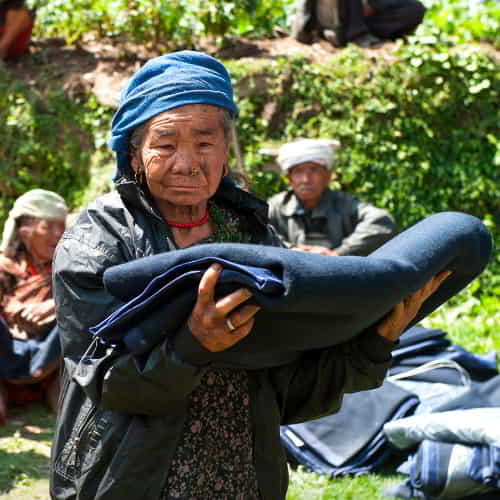
- Slum Ministry – Millions of people live in the slums of Asia, sometimes in small shanties without water or electricity. Teams of missionaries and volunteers distribute income-generating gifts, water filters, blankets, clothing and other helpful items. They also teach literacy classes and tutor children.
- Medical Ministry – GFA World medical teams visit villages and churches to help with medical needs for those that can’t afford treatment or don’t have access to treatment.
- Leprosy Ministry – In Asia, many people suffer with this bacterial infection that impacts the skin and nerves. Since the nerves are affected, the patients often lose feeling and become numb, which causes other injuries and tissue loss. Those who suffer are often shamed and ostracized, being rejected from their homes and families. While leprosy is treatable, the diagnosis and treatment often come too late.[2] GFA missionaries work directly with the leprosy patients to help them see God loves them. They care for them with food, medical aid, hygiene awareness programs, adult education and tutoring for children. God has blessed this ministry greatly and patients have found healing and hope for the future.
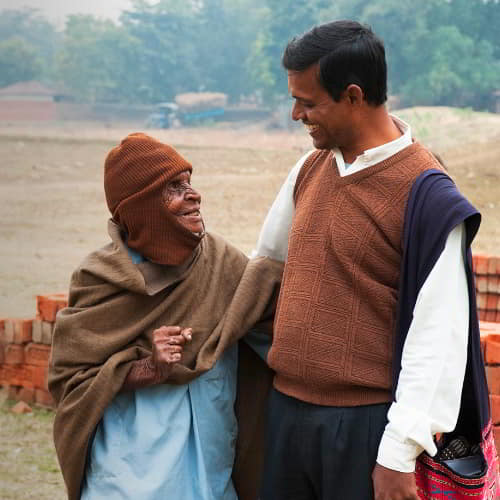
- Compassion Ministry – GFA works directly with widows, orphans and street children to show compassion and care. They are helped with tangible needs like clothing and food, but also with the care of a listening ear. GFA missionaries share the love of Jesus with these vulnerable people.
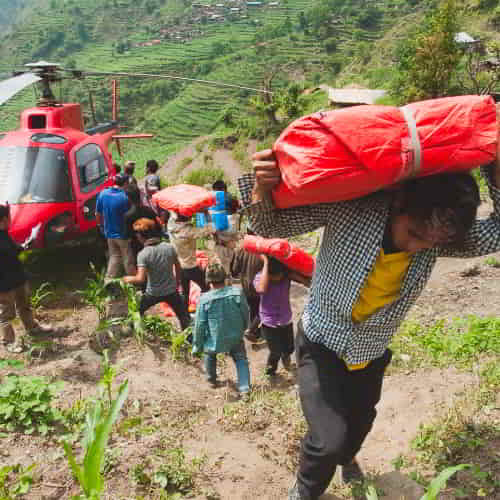
- Natural Disaster Relief – Compelled by love, GFA missionaries serve in their country of origin. They are familiar with the communities and cultures and live among the people they are ministering to, which gives them a head-start when responding to natural disasters. They are already on the frontlines and able to respond quickly.
Will you join us by financially supporting these compassion ministries or joining us as a volunteer? Your gift to GFA ministry programs enables national missionaries to meet the basic needs of many people and help when natural disasters occur too.
Learn more about disaster relief organizations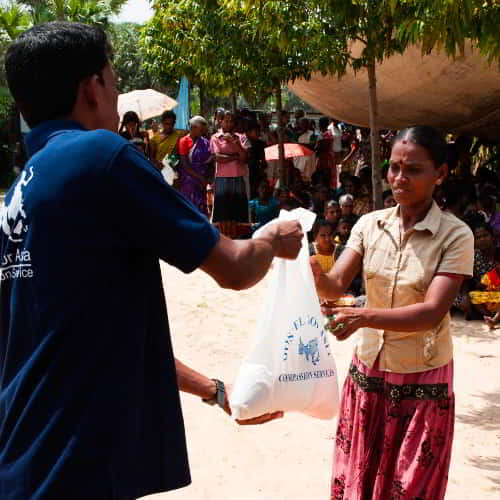
[1] “Compassion Services.” GFA World. https://www.gfa.org/donation/browse/items/compassion-services. Accessed November 16, 2022.
[2] “Leprosy Ministry.” GFA World. https://www.gfa.org/compassion-services/leprosy-ministry. Accessed November 16, 2022.