
What Are Some Important Disaster Relief Donations?
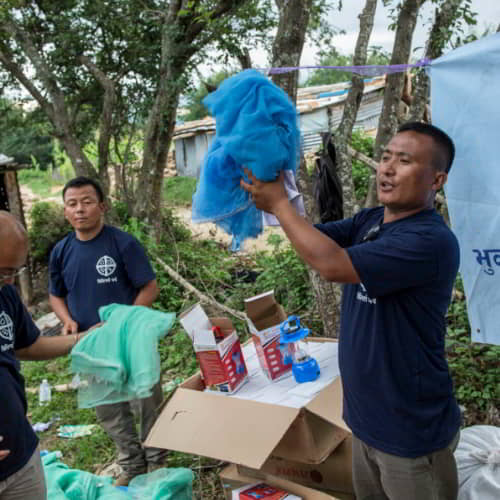
When an emergency strikes, disaster relief donations are crucial for meeting the needs of the people who are impacted. These gifts can bring help to affected communities during emergency relief and the days that follow. According to American Red Cross data, relief organizations respond to approximately 65,000 disasters each year in the United States alone. This scale of emergency responses demands consistent support from donors. Coordination across local, state, and federal levels becomes essential during major crises. Relief is essential whether it’s a weather-related disaster, a destructive fire, or a wartime event. Disaster relief organizations use these donations from generous people to meet crucial needs in affected areas. Effective emergency management requires coordination between multiple agencies and depends heavily on available resources.[1]
Here are some key donations that are helpful in relief situations:
Response Money – Monetary donations are crucial for getting relief supplies into impacted regions fast. Sometimes, ministries must wait for donations before work begins. Cash gifts enable organizations to purchase exactly what communities need most. According to FEMA guidelines, flexible funding allows disaster teams to adapt quickly as needs change during emergency shelter operations and other critical services. Local markets may still function after disasters, so monetary support lets families choose supplies that match their specific situations. These donations are often used for food, water, shelter, clothes and other essential needs. In many cases, cash gifts are the simplest financial assistance. They help a disaster relief fund purchase what is needed at the right time.[2]
Preparation Donations – When donors give to relief organizations during calm times, those ministries can be ready when disaster strikes. Proactive giving strengthens disaster preparedness programs significantly. Research shows that organizations with pre-positioned resources can begin recovery efforts up to 50% faster than those relying solely on post-disaster funding.[3] These recovery efforts include rebuilding homes, replacing tools, and helping communities regain stability after crisis events pass. Organizations appreciate proactive giving because they can act more quickly when money is already waiting. This kind of steady giving supports relief and recovery, including long term recovery, after the first headlines fade.[4]
Volunteer Yourself – Volunteers are an important part of disaster relief. Some sit next to survivors and offer compassion. Others help fix the infrastructure of a village. Specialized volunteers may provide case management services to help families navigate complex recovery processes. Disaster case management connects survivors with trained advocates who develop personalized recovery plans addressing financial, emotional, and practical needs.[5] Special skills like construction skills, medical knowledge or electrical experience are sometimes necessary. If you can’t travel, you can still support disaster response. You can do that by encouraging safe, coordinated giving and volunteering through trusted groups.[6]
Can disaster relief donations be tax deductible? In the United States, charitable gifts may be tax deductible if you donate to a qualified organization and meet the IRS rules for claiming a deduction. Keep your donation receipt. You may also want to talk with a tax professional about your situation[7] Most established disaster relief organizations maintain 501(c)(3) tax-exempt status, allowing donors to claim deductions when itemizing on federal tax returns.[8]
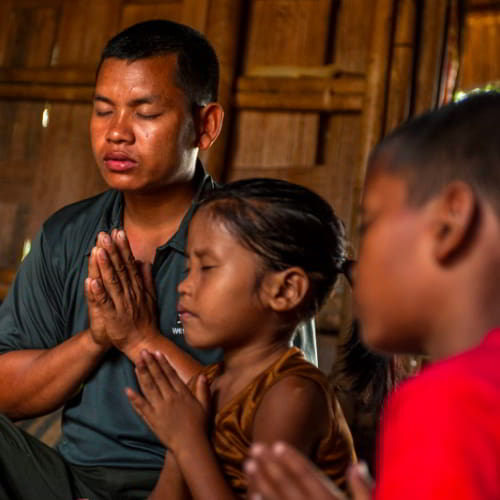
Prayer – Pray for God to bless the efforts of the workers on the frontlines and those helping in other ways.
- Pray for God to grant safety for volunteers and workers as they go into the hardest-hit areas. They may face danger and injury. Responders sometimes work in unstable conditions where emergency shelter structures and damaged infrastructure create ongoing hazards for those providing aid.
- Pray for comfort for the people impacted. Many lose homes, possessions or loved ones. They can suffer physically and emotionally. Pray for them to know peace and love.
- Pray for discernment for the relief teams. May God give them clear communication and organization. Pray for good logistics.
- Pray for health for survivors and volunteers. Disease spreads quickly in disaster areas, especially flooded regions. Health monitoring becomes essential when large groups gather in emergency shelters or evacuation centers.
- Pray for local authorities as they organize and direct the relief efforts. These local authorities bear a lot of the burdens and have often suffered loss themselves. May God grant them wisdom and clear thinking.
- Pray for faith-based relief organizations like GFA World. Pray that survivors will see God’s love shown through the volunteers and pastors who are helping.
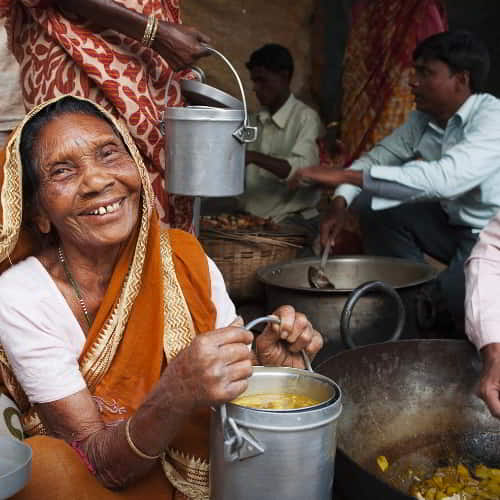
However you choose to donate, please know you are appreciated. The work cannot happen without faithful donors. Donations are crucial. Your support enables immediate emergency responses and sustains long-term recovery efforts that continue long after initial crisis attention fades. Communities depend on consistent giving to rebuild infrastructure and restore hope. We encourage you to give today so that GFA has the funding ready when the next disaster occurs.
Learn more about disaster relief organizations[1] “National Response Framework.” FEMA. https://www.fema.gov/emergency-managers/national-preparedness/frameworks/response. Accessed January 29, 2026.
[2] “Disaster Recovery – What Donors and Nonprofits Need To Know.” National Council of Nonprofits. https://www.councilofnonprofits.org/tools-resources/disaster-recovery-what-donors-and-nonprofits-need-know. Accessed November 16, 2022.
[3] “Disaster Relief: Help Now, Help Later, Help Better.” University of Pennsylvania: The Center for High Impact Philanthropy. https://www.impact.upenn.edu/how-to-help-in-a-disaster/. Accessed November 16, 2022.
[4] Ibid.
[5] “Programs to Support Your Recovery.” FEMA. https://www.fema.gov/assistance/individual/disaster-survivors. Accessed January 29, 2026.
[6] USAGov. “How to Help Survivors after a Disaster.” Accessed January 12, 2026. https://www.usa.gov/help-disaster-survivors.
[7] Internal Revenue Service. “Publication 526 (2024), Charitable Contributions.” Accessed January 12, 2026. https://www.irs.gov/publications/p526.
[8] Internal Revenue Service. “Exemption Requirements – 501(c)(3) Organizations.” Accessed January 29, 2026. https://www.irs.gov/charities-non-profits/charitable-organizations/exemption-requirements-501c3-organizations.