



Disaster Relief Organizations
Disaster relief organizations are essential for quick response in areas impacted by earthquakes, fires, floods and other emergency situations. When these events occur, how do you pick a trusted organization to support? Here are some questions you can ask, followed by the answer from GFA World, a trusted disaster relief organization in South Asia and parts of Africa:[1]

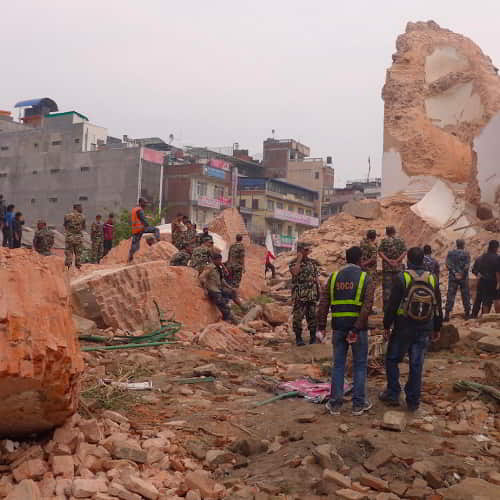
When disasters occur, how do you respond?
Disaster Relief Organizations help in a variety of ways and generally have a specialty. Some bring food and supplies to disaster areas. Others sift ashes of burned buildings while other organizations seek to meet the medical and emotional needs of the survivors. When considering which relief organizations to support, we encourage you to find out details about what types of help is offered to those impacted.
GFA’s answer: GFA World serves victims of many different types of disasters, such as earthquakes, cyclones, tsunamis and floods. When a natural disaster wipes out homes, crops and livelihoods in an instant, families, who are already living in poverty, have very little hope for the future. The help GFA offers takes many forms—food, clothing, clean water, shelter, counseling and prayer. GFA missionaries also provide long-term solutions to rebuild.
How long does it take to respond?
Some organizations are primed to respond immediately. Others take days or months to gear up to help. Often, both types are needed to provide adequate response to those who need help. For example, an organization may show up immediately but then need to leave to help in another emergency.[2] Other organizations can take their place and provide ongoing help.
GFA’s answer: GFA pastors and missionaries serve people in need where they live and work, so they are often available to respond very quickly to meet the people’s immediate needs.
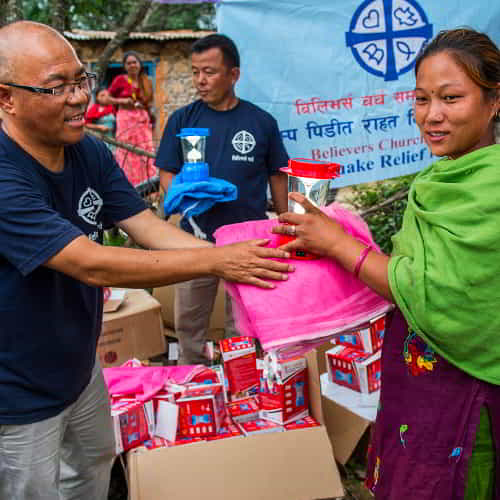
In what regions do you work?
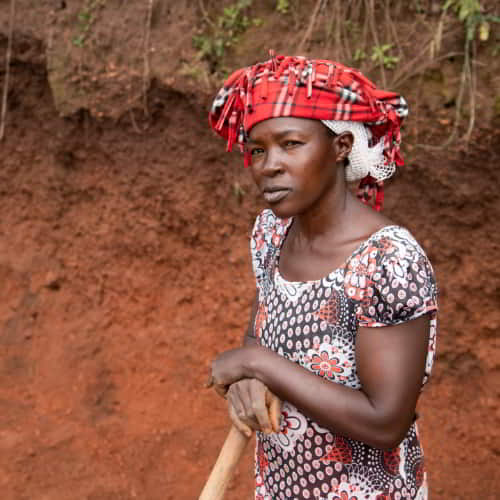
Many organizations focus on a particular region or country. This helps them have a quick response when disaster strikes.
GFA’s answer: GFA World has worked in South Asia since 1979, helping the poor in a variety of ways and providing assistance following disasters. More recently, GFA began operating in Africa too, beginning in Rwanda. This is the first of many African nations we hope to initiate ministry in.
How long do you stay and is there on-going help?
Ask if the organization has an exit strategy and how long they are generally able to help in disaster areas. Discover their strategy for helping the nationals of that area pick up the relief efforts and continue to make progress even after the organization is gone. What happens when the disaster relief volunteer leaves?
GFA’s answer: GFA World missionaries serve in the same countries in which they live. They are familiar with the people, culture and language. This means that their emergency relief and services will be available long after other organizations are forced to move to their next response effort. GFA has established work in South Asia and Africa and are positioned to step in quickly and stay in those communities for as long as needed.
What people do you help?
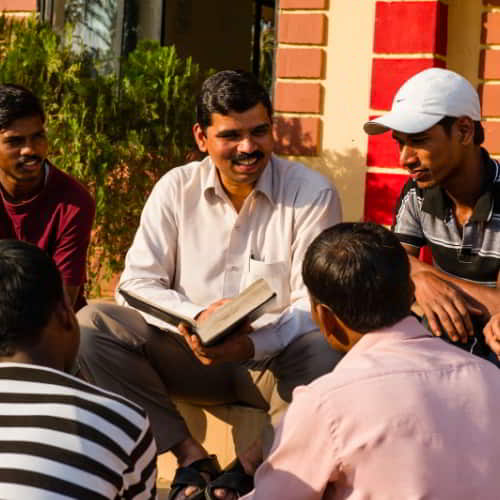
Ask if the organization works specifically with one people group or religion. Some faith based disaster relief organizations help their own while others seek to help all people, based on need or other criteria.
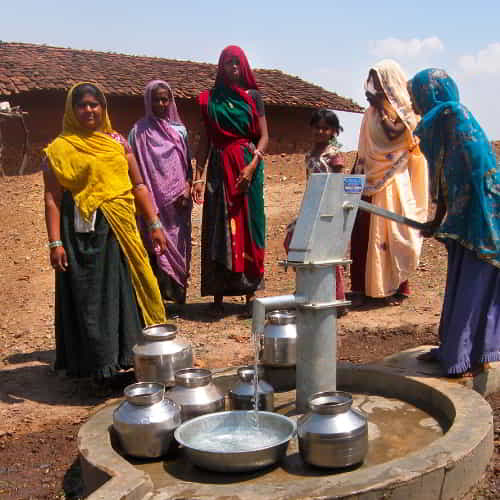
GFA’s answer: While GFA World is a Christian organization, it serves all people groups and religions. For example, when a clean water well is drilled, it is accessible to all people, no matter the religion, people group or status. A local church maintains the well and ensures it is equally assessable by all people.
In September of 2022, GFA World launched an aid effort to provide help to people in Pakistan, who were impacted by a monsoon. Massive flooding occurred due to heavy monsoon rains, engulfing a third of the country. Over 1500 lives were lost, and 33 million people were impacted.[3] GFA stepped in with basic medical supplies, water, food and clothing. They found millions of displaced families sleeping in the open, hungry for food and clean water.
“Having been born and raised in a flood-prone region of South Asia, I’m intimately familiar with the devastation flooding can cause,” said K.P. Yohannan (Metropolitan Yohan), founder of GFA. “I’ve seen the grief and hopelessness that surrounds people who’ve lost loved ones, homes or livelihoods. When they realize they’re not alone and will be taken care of, their hope surges.”[4]
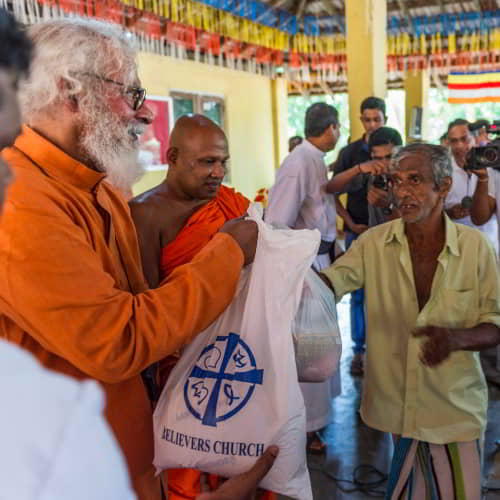
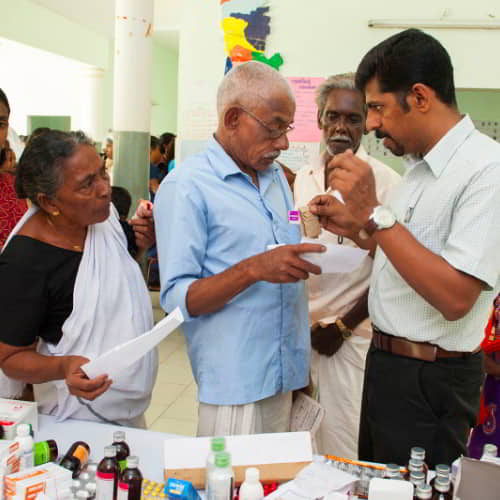
Your disaster relief donations to GFA World will help the organization’s compassion services teams provide essential items like food, blankets, medicine, temporary shelters and other emergency supplies. When disaster strikes, people suffer. We’re ready to step in with compassion and tangible help. Join us in these efforts.
Learn more about child labor[1] “Disaster Relief Work.” GFA World. https://www.gfa.org/compassion-services/disaster-flood-relief. Accessed November 16, 2022.
[2] “Disaster Relief: Phases of Disaster Relief.” University of Pennsylvania: The Center for High Impact Philanthropy. https://www.impact.upenn.edu/disaster-relief-phases-of-disaster-relief/#:~:text=Response,and%20water%2C%20and%20temporary%20shelter. Accessed November 16, 2022.
[3] Ibid.
[4] “GFA World Launches Aid Effort Amid Pakistan’s Deadly ‘Monsoon on Steroids.’” GFA World. https://gfanews.org/press-releases/gfa-world-launches-aid-effort-amid-pakistan-deadly-monsoon-on-steroids. September 2, 2022.