
Charities that Help Widows

What Can Organizations That Help Widows and Orphans Do to Keep Them out of Poverty?

Organizations that help widows and orphans understand the many layers of difficulty that a woman may face after her husband dies. Depending on where she lives, she could become socially outcast. She might be separated from her children or financially destitute.

In many cultures, particularly in developing nations, women have limited or no rights to inherit property or land.[6] Long-held cultural beliefs can create unfair barriers to a widow moving on with her life. Research from Orphans in Need shows that in some communities, widowhood leads to being ostracized from society.

Her status depends on having a husband, and the loss of that husband reduces her status accordingly. For many women, this cultural reality compounds the natural grief of loss. Grief by itself is difficult to overcome, but some widows face the emotional turmoil and much, much more.

Economic Crisis and Family Separation

The loss of a husband often means the loss of essential income for the entire family. In cultures where men serve as primary or sole household earners, widowhood creates immediate financial crisis.[12] The consequences ripple through every aspect of family life. Many widows have been raised with minimal education and have no expectation of working outside the home.

Their options become limited to the most exploitative, minimum-wage occupations.[13] Balancing these jobs with childcare proves nearly impossible. Without childcare support or flexible work arrangements, widows face an impossible choice. Some widows must resort to begging or other desperate measures to survive. Without support, the entire family spirals into deeper poverty.

The economic hardship often forces difficult decisions about children’s futures. Widows may pull children from school to work or send children to live with relatives who can better provide for them. These decisions, made in desperation, can haunt mothers for years. In the worst cases, children end up living on the streets or in institutional care.

The Global Orphan Crisis

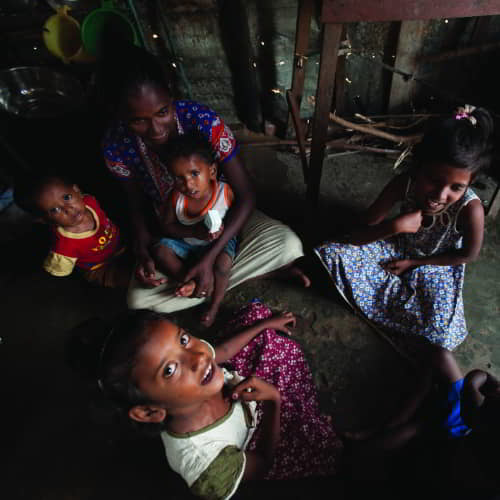
Orphans too are afflicted with severe hardships. These children are left without the love and support of their parents and face a difficult and uncertain path ahead. Christian Alliance for Orphans reports that over 140 million children worldwide have lost one or both parents. Approximately 15 million have lost both parents.[3]

These young lives need comprehensive orphan care that addresses their physical, emotional, and educational needs. The scope of this crisis demands sustained, thoughtful intervention. Many orphans struggle to access basic necessities like food, shelter, and healthcare.[7]

Shared Struggles and Vulnerabilities

Widows grapple with social isolation, financial struggles, and cultural barriers. Orphans experience the absence of parental guidance and care. Though their circumstances differ, both groups confront similar challenges. Both groups confront emotional turmoil and the weight of their circumstances.

Studies indicate that orphans face increased risk of malnutrition, limited access to schooling, and vulnerability to exploitation.[4] When children lose parental care, they often encounter disruptions in education. They may face homelessness or inadequate living conditions.[8]

It is essential that we address these profound challenges. We must provide the necessary support and opportunities for widows and orphans to overcome their hardships and build better lives.

The Psychological Impact on Orphaned Children

Orphaned children often develop emotional and behavioral challenges due to their loss. Evidence shows that approximately 70 percent of orphans in residential care facilities suffer from mental health problems.[14] These children experience higher rates of anxiety, depression, and difficulty forming healthy attachments. Many struggle with low self-esteem.

Without proper emotional support, these psychological wounds can persist into adulthood. Yet children demonstrate remarkable capacity for healing when given the right support. Orphans who receive consistent care and attention show remarkable resilience. Family-based care approaches demonstrate significantly better outcomes for vulnerable children compared to institutional settings.[15]

Children thrive when they receive individual attention and the opportunity to form secure attachments with caring adults. This stable foundation enables them to heal from trauma and reach their full potential.

Cultural Stigma and Widow Vulnerability in Asia

The Loomba Foundation’s World Widows Report lays bare a grave situation in Asia. Approximately 46 million widows face the harsh realities of poverty in slums and on the streets. Tragic accounts of despair lead some to contemplate taking their own lives.[1]

They reach this desperate situation because their society does not support widows. In fact, cultural beliefs often actively work against them. Many people believe widows had some sort of responsibility in their husband’s death. This harmful superstition has deep cultural roots in some regions.

In certain communities, widows may be blamed for their husband’s death and viewed as cursed. They are considered inauspicious or bring bad luck. These false beliefs inflict real harm. These grieving women are cast aside precisely when they need community most. Some widows are even denied access to their own homes.[9]

The Necessity of Safe Communities and Holistic Support

Creating safe spaces for these women is essential. It provides a nurturing environment where widows can find solace, regain their sense of belonging, and rebuild their shattered lives.

Women often lose their social support when they are widowed. This can happen in any culture or social system. The isolation cuts across geographic and economic boundaries. Without family support, widows face heightened vulnerability to violence and abuse.

Data from Tree of Life For The World reveals that trauma and chronic stress can lead to serious health consequences for widows. These include diabetes, heart disease, and mental health disorders. Women are also much more prone to violence because of this lack of support and community.[2] Safe communities provide the foundation for widows to heal emotionally and rebuild their lives.

Organizations that truly help widows recognize the need for holistic support. Financial assistance alone cannot address the deep wounds of loss and isolation. A widow needs more than money—she needs restoration of her dignity and hope. Widows need emotional support, practical skills training, and community connection. They need spaces where they can share their grief with others who understand.

Support groups allow widows to encourage one another through their darkest moments.[16] When widows find community, they discover they are not alone in their struggle. This solidarity brings strength that extends beyond financial provision. It restores hope for the future.

Faith Communities as Safe Havens

GFA missionaries know that building strong communities of faith is one way to help widows. It provides some semblance of safety. Through God’s grace, these communities become places of healing and hope. Believers demonstrate the love of Christ through practical service and compassion.

Local fellowships provide widows with spiritual encouragement alongside material assistance. These churches become like families for women who have lost their support systems. The bonds formed in these communities often prove as valuable as the practical help received. Widows who join these communities often report feeling valued and cared for again. The sense of belonging helps combat the isolation that widowhood brings.

Empowerment Through Skills and Income Generation

This is why GFA World is committed to funding opportunities for widows through generous donations like yours. From items in the GFA World Gift Catalog to specific donations for widows and abandoned children, GFA creates ways for widows to have their own businesses. They get the training they need for skilled work.

Vocational training empowers widows to become self-sufficient. Literacy training opens doors to new opportunities. When widows can read and write, they gain access to better jobs and can help their children with schoolwork. They gain skills that help them better their lives and provide for their families.

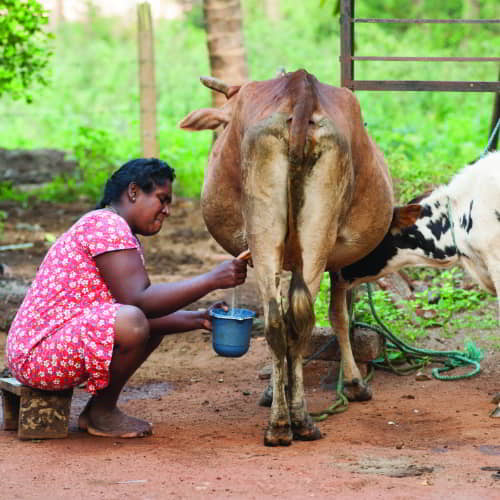
Income-generating gifts provide widows with sustainable means of support. A sewing machine enables a widow to start a tailoring business from home. Livestock like goats or chickens provide both food and income through milk or eggs. Small business supplies help widows establish shops selling essential goods in their communities.

These practical tools restore dignity alongside providing daily bread. When a widow earns her own income, she regains independence. She can make decisions for her family’s future while modeling resilience and hard work for her children. Her success demonstrates that widowhood need not mean helplessness.

Most importantly, she can keep her children with her rather than sending them away. This prevents the heartbreaking separation that creates new orphans.

Breaking the Cycle of Poverty and Family Separation

Widows remain one of the most vulnerable groups in many countries of the world, especially economically. The Loomba Foundation notes that approximately one in ten widows lives in extreme poverty.[5] Many widows struggle to access credit or financial resources.[10]

Financial institutions often refuse loans to women without male guarantors. This systemic discrimination traps widows in poverty. The barriers are not just cultural—they are institutional and economic. Being given the necessary tools or resources can be the difference between life and death for these widows. Sometimes it means the difference between keeping her children or sending them away.

When mothers cannot provide for basic needs, children risk becoming orphaned through separation. Poverty becomes the primary driver forcing families apart. Research shows that economic push factors are the number one cause of children moving from family homes into institutional care.[11] Without intervention, the cycle perpetuates. She can’t provide for their needs, and the cycle of vulnerability continues across generations.

Give a gift today to be the difference in her life. The connection between widow support and orphan prevention cannot be overstated. When widows receive assistance, entire families benefit. Children stay in school. Families stay together. Every gift makes a tangible difference in a widow’s daily reality.

Caring, compassionate GFA missionaries are always on the lookout for those who need this kind of difference in their lives. In addition to the practical assistance, GFA missionaries also offer the Good News of Jesus Christ and a loving, supportive community. These elements work together to bring transformation. This can be an essential difference in a widow’s life.

To go from being married to widowed to destitute is something no woman should have to experience. Through the love of Christ, GFA missionaries demonstrate hope in action. They see beyond immediate needs to long-term restoration. But in the midst of such realities, GFA missionaries not only see these women but want to help.

Your gift is part of the hope she needs. Your compassion translates into real change for women facing impossible circumstances. A GFA missionary stands ready to deliver your love and care with the compassion of Jesus Christ. Together, we can break the cycle of poverty that threatens widows and orphans worldwide.

Learn more about charities that help widows

[1] “World Widows Report: Statistics.” The Loomba Foundation. https://www.theloombafoundation.org/our-work/research/world-widows-report. Accessed June 2023.
[2] “Explainer: What you should know about widowhood.” UN Women. https://www.unwomen.org/en/news/stories/2021/6/explainer-what-you-should-know-about-widowhood. June 21, 2021.
[3] “Orphan Statistics Worldwide: Exploring the Global Crisis.” Christian Alliance for Orphans. https://cafo.org/orphan-statistics/. May 19, 2025.
[4] “Orphans.” Humanium. https://www.humanium.org/en/orphans/. September 22, 2024.
[5] “The Plight of Widows and Orphans.” Orphans in Need. https://www.orphansinneed.org.uk/news/the-plight-of-widows-and-orphans-understanding-their-vulnerabilities-2/. October 25, 2024.
[6] “International Widows’ Day 23 June.” United Nations. https://www.un.org/en/observances/widows-day. Accessed January 29, 2026.
[7] “Providing Education and Care to Orphaned Children Around the World.” Embrace Relief Foundation. https://www.embracerelief.org/providing-education-and-care-to-orphaned-children-around-the-world/. November 23, 2024.
[8] “Orphans.” Humanium. https://www.humanium.org/en/orphans/. September 22, 2024.
[9] “Challenging Social Prejudices Against Widows & Orphans.” Orphans in Need. https://www.orphansinneed.org.uk/news/challenging-social-prejudices-against-widows-and-orphans/. May 8, 2024.
[10] “International Widows’ Day 23 June.” United Nations. https://www.un.org/en/observances/widows-day. Accessed January 29, 2026.
[11] “Helping Orphans and Vulnerable Children without Hurting.” The Chalmers Center. https://chalmers.org/blog/helping-orphans-and-vulnerable-children-without-hurting/. December 6, 2023.
[12] “Why Widows and Orphans Need Your Support.” Tree of Life For The World. https://www.treeoflifefortheworld.org/why-widows-and-orphans-need-your-support/. Accessed January 29, 2026.
[13] “Challenging Social Prejudices Against Widows & Orphans.” Orphans in Need. https://www.orphansinneed.org.uk/news/challenging-social-prejudices-against-widows-and-orphans/. May 8, 2024.
[14] “Psychological, Social and Educational Challenges of Orphan Children in Orphan Homes.” Journal of Education and Social Studies. https://www.scienceimpactpub.com/journals/index.php/jess/article/download/825/475/4851. Accessed January 29, 2026.
[15] “Orphan Care Redefined.” EFCA Blog. https://blogs.efca.org/posts/orphan-care-redefined. Accessed January 29, 2026.
[16] “Explainer: What you should know about widowhood.” UN Women. https://www.unwomen.org/en/news/stories/2021/6/explainer-what-you-should-know-about-widowhood. June 21, 2021.