



Supporting Charities that Help Widows
There is a group of women who need special care and attention but often find themselves marginalized and ignored: widows. Charities that help widows understand the myriad of difficult situations women find themselves in once their spouses die. From cultural assumptions to legislative restrictions, widows are one of the most vulnerable groups in the world.

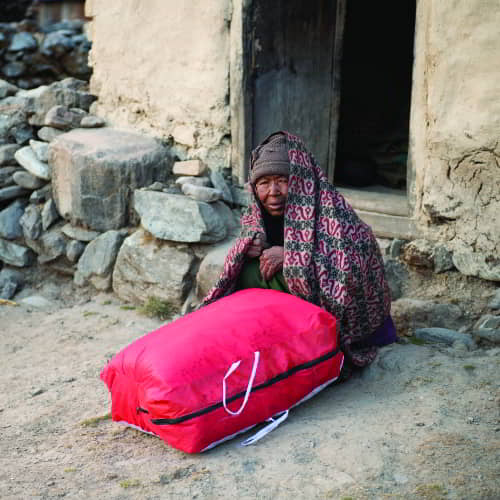
The United Nations estimates that there are 258 million widows in the world. The plight of widows is a deeply entrenched issue that demands urgent attention. With their unique circumstances and vulnerabilities, widows often face a myriad of challenges ranging from denial of inheritance rights to enduring extreme stigma and discrimination. To shed light on the experiences and amplify the voices of widows, the United Nations designated June 23 as International Widows’ Day in 2011 “to draw attention to the voices and experiences of widows and to galvanize the unique support that they need.”[1]
“Experience from the past, shows that widows are often denied inheritance rights, have their property grabbed after the death of a partner, and can face extreme stigma and discrimination, as perceived ‘carriers’ of disease,” the United Nations reports. “Worldwide, women are much less likely to have access to old age pensions than men, so the death of a spouse can lead to destitution for older women.”[2]
Now more than ever, charities that help widows are crucial. Despite the progress made in restoring rights and justice to widows in this century, they continue to be marginalized in various parts of the world, including developed nations. Effectively providing help for widows requires tailored approaches that address the specific needs of each country or region.
According to a 2021 report by UN Women, the denial of equal inheritance rights persists in many countries, subjecting widows to unjust practices such as land stripping, eviction, and even separation from their children. Additionally, widows may be denied access to inheritance, bank accounts, and credit, intensifying the financial hardships faced by them, their children, and future generations. Shockingly, nearly one in ten widows worldwide lives in extreme poverty.[3]
Organizations that help widows and orphans must be prepared to address the barriers that they encounter. Orphaned children, who often face hardships such as the loss of parental support and limited access to education and healthcare, require special attention. Additionally, in many parts of Africa, marriage guarantees women’s rights, including property ownership, further emphasizing the importance of supporting widows.[4]
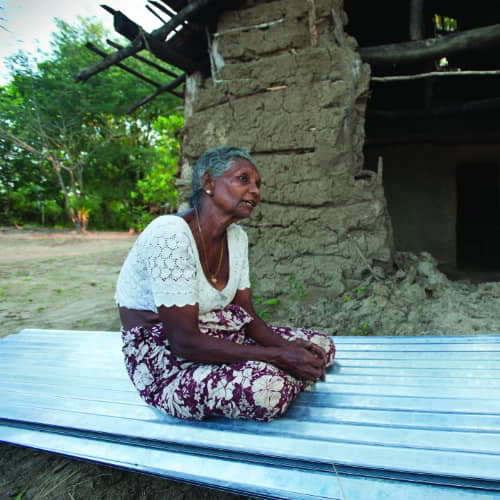
“Women frequently inherit nothing when a marriage ends, and official legal systems offer little recourse,” reports the World Bank. “Some may even lose their children to the husband’s lineage. Broader patterns of gender inequality add to the heavy burden on women’s shoulders. They are shut out of labor markets, have fewer productive assets, and bear greater responsibility for the care of children and the elderly.”[5]
Subira experienced great distress after her husband’s passing. Tradition had brought her to her in-law’s home when she wed, but after her husband died, her in-laws made things very difficult for her. They seemed to care for her five children, but they disparaged her on every occasion.[6]
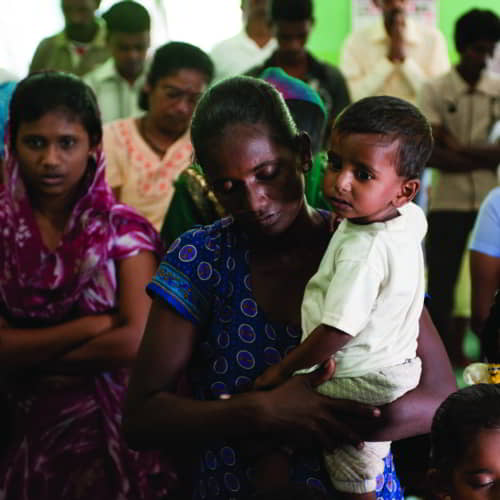
She couldn’t take their hostility any longer, but she also knew she could not manage to care for all of her children on her own. Subira made the heartbreaking decision to leave two of her children with her in-laws. Even with fewer mouths to feed, Subira and her other three children were soon plunged into poverty. Subira did what she could to make money, but her two eldest children were forced to leave school to save money, which is sadly a common tale in the lives of those battling poverty.
In the new village where Subria lived, there was a church led by GFA pastor Lachlan nearby. Subira regularly passed this church. When she became very ill, she decided to attend a worship service, where she met Pastor Lachlan.
Pastor Lachlan shared the love of Jesus Christ with Subira. He compassionately began praying for Subira, her health and her children. Within two weeks, Subira’s illness vanished, and her family was convinced it was an answer to Pastor’s Lachlan’s prayers. Soon, Pastor Lachlan arranged through GFA World for Subira to receive supplies to start a business out of her home. Slowly, she and her children are climbing out of poverty.
GFA World and other charities that help widows understand how to properly assist women like Subira. GFA’s lifesaving ministry to widows is incredibly compassionate and full of dignity for the women. A guiding Bible verse about helping orphans and widows is Matthew 25:45: “Then He will answer them, saying, ‘Assuredly, I say to you, inasmuch as you did not do it to one of the least of these, you did not do it to Me.’”
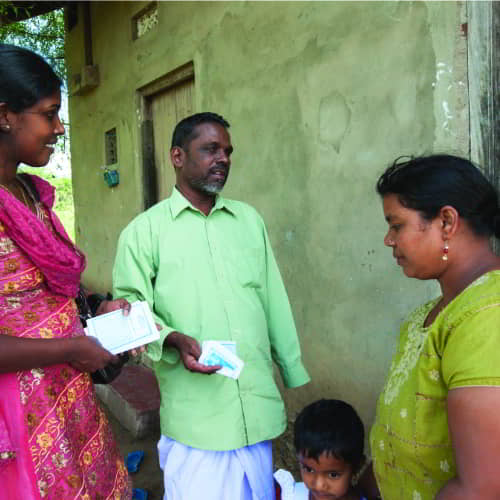
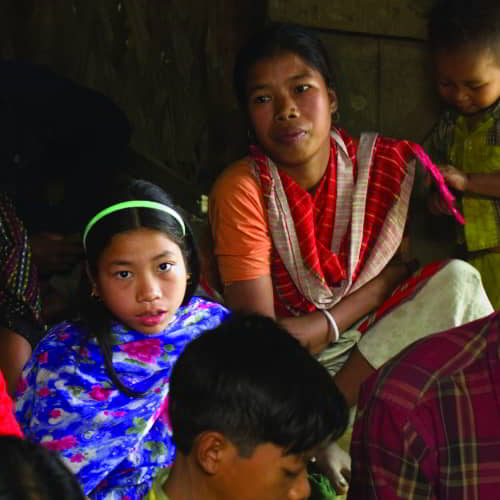
Giving a gift today to help widows is one of the most caring ways to love these women from afar. It enables GFA missionaries to provide resources to widows that can change their lives and that of their children and family. It will also help bring the Good News of Jesus Christ to women like Subira, who came to trust Jesus with her life and become a part of a body of believers, giving her the much-needed community support she was lacking.
Your gift can be the difference in a widow’s life.
Learn more about missionaries in Africa[1] “International Widows’ Day 23 June.” United Nations. https://www.un.org/en/observances/widows-day. Accessed October 19, 2022.
[2] Ibid.
[3] “Explainer: What you should know about widowhood.” UN Women. https://www.unwomen.org/en/news/stories/2021/6/explainer-what-you-should-know-about-widowhood. June 21, 2021.
[4] “Invisible and Excluded: The Fate of Widows and Divorcees in Africa.” World Bank. https://www.worldbank.org/en/news/feature/2018/01/20/invisible-and-excluded-the-fate-of-widows-and-divorcees-in-africa. January 20, 2018.
[5] Ibid.
[6] “Rebuilding a Widow’s Life.” GFA World. https://www.gfa.org/news/articles/rebuilding-a-widows-life-wfr21-09/. September 2021.