

Charities that Help Widows

What Is the Best Help for Widows?

Though widows face multiple barriers to living safely and above poverty, their access to stable income remains one of the biggest challenges. Help for widows can come in many forms. Employment and income generation are among the most beneficial.

The emotional trauma of losing a spouse often compounds financial hardship. Grief intersects with practical survival challenges. Research from the World Bank reveals that widows globally face systemic barriers to property rights and economic participation. Legal systems in many nations offer little recourse when widows lose inheritance.[11]

In many countries, assistance for widows includes both governmental and nonprofit programs. These range from monthly income support to vocational training initiatives. Surviving spouse benefits, such as social security survivor benefit payments in the United States, provide crucial monthly income.[3] Eligible widows can receive these payments as early as age 60, or age 50 if disabled. The amount depends on when they begin claiming benefits. Those who wait until full retirement age receive 100 percent of their deceased spouse’s benefit amount.[12]

These government benefits help offset the immediate financial crisis many families experience. However, understanding how to navigate complex application processes often proves challenging. The Social Security Administration provides resources to guide widows through eligibility requirements and filing procedures.[13]

Global Poverty and Cultural Challenges Facing Widows

Global organizations recognize that effective support for widows requires more than charity. It demands sustainable empowerment through education and economic opportunity. The United Nations emphasizes that help for widowed women must address both immediate needs and long-term self-sufficiency. Short-term aid without capacity building leaves widows vulnerable to recurring poverty cycles.

According to UN Women, one of the best ways to help widows is to, “Empower widows to support themselves and their families and live with dignity by ensuring access to education and training opportunities, decent work and equal pay, and by reversing social stigmas that exclude, discriminate, or lead to harmful and violent practices against widows.”[1]

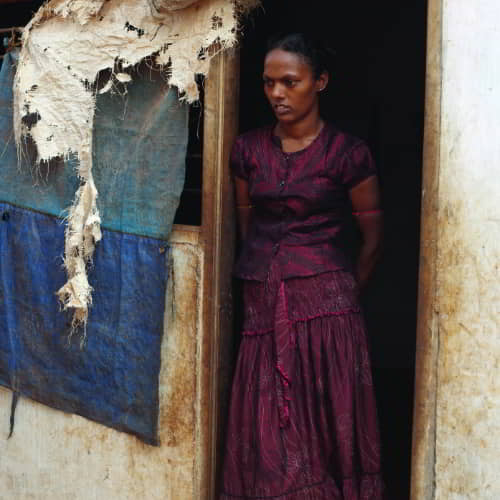
The challenges widows face vary significantly by region and culture. While international widows confront inheritance denial and social stigma, widows in developed nations face different but equally serious obstacles. Housing insecurity, unexpected debt, and loss of health insurance frequently threaten newly widowed families.

Studies by the Consumer Financial Protection Bureau show that recently widowed older adults in the United States experience higher poverty rates and greater housing cost burdens. More than one million adults aged 60 and older lost a spouse in 2019 alone.[4] Many discover unexpected credit card debts or medical bills after their spouse’s death. Unresolved financial obligations can quickly overwhelm a grieving family.

The UN reports that poverty strikes widows for various reasons, including the following:

  • Many widows have limited or no rights to inherit property or land, as determined by customary and religious laws.
  • Widows often rely on the charity and support of their late husbands’ relatives to make a living.
  • In certain South Asian countries, widows may be disowned by their own families. This leaves them without a home.
  • Some widows are forced to work as domestic helpers, resort to begging, or even engage in prostitution to survive.
  • Widows often struggle to access credit or other financial assistance resources, making it difficult for them to provide for their children’s needs or pursue education.
  • In some cases, widows can become responsible for the debts left behind by their deceased spouses.[2]

These financial pressures make credit counseling essential for many widows. Professional guidance helps them understand their rights and obligations regarding inherited debt. Nonprofit agencies offer free services to help widows navigate debt management and budget creation after the trauma of loss. Counselors can negotiate with creditors and create sustainable repayment plans.[5]

Beyond debt counseling, widows need access to community support and emotional healing resources. Isolation compounds grief and makes financial challenges feel insurmountable. Professional financial coaching combined with peer support groups creates a comprehensive safety net.[14] Organizations like Wings for Widows provide free virtual coaching sessions with certified financial planners. These services help widows develop budgets, understand investment options, and plan for long-term stability. The combination of professional expertise and peer support addresses both practical and emotional needs.

While social security benefits and survivor benefits serve widows in some nations, billions of widows worldwide lack access to any structured support. In developing regions, governmental safety nets rarely exist. Cultural discrimination and legal barriers prevent widows from accessing even basic services. UN Women reports that nearly one in ten widows lives in extreme poverty. Approximately 258 million widows exist globally, many facing severe economic hardship. Women are also much less likely to have access to pensions than men, making the death of a spouse particularly devastating financially.[6] This staggering reality demands urgent attention and comprehensive intervention strategies from governments, nonprofits, and faith communities working together.

How GFA Missionaries Provide Practical Solutions

GFA missionaries understand the issues widows face and seek to provide practical solutions to individual widows in their communities. Often, a GFA missionary will see that a widow has no way of making an income to support herself and her children. Or she may be forced into unskilled work that often does not pay enough for basic necessities.

GFA missionaries help widows in various ways. For example, through GFA World’s Gift Catalog program, Widow’s Fund or Women’s Fellowships, GFA missionaries can provide widows with goods, income generating animals, vocational training and resources that can help her earn a sustainable income.
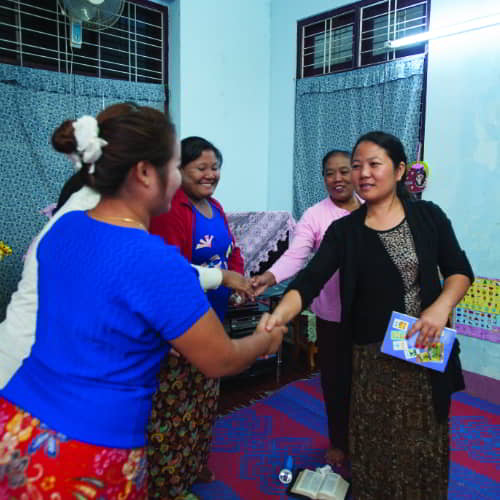
This is where faith-based organizations like GFA World make a transformative difference. Through God’s grace, they provide both immediate relief and long-term empowerment to widows who have nowhere else to turn.

GFA missionaries understand the issues widows face. They seek to provide practical solutions to individual widows in their communities. Often, a GFA missionary will see that a widow has no way of making an income. She cannot support herself and her children. She may be forced into unskilled work that often does not pay enough for basic necessities.

In many regions where GFA serves, widows face additional cultural stigmas that Western widows rarely encounter. Some societies view widows as cursed or responsible for their husbands’ deaths. These harmful beliefs lead to social exclusion and violence. Women may be forbidden to remarry, forced to dress in specific ways, or excluded from community gatherings. GFA missionaries work to change these attitudes through education and compassionate service while providing immediate practical assistance. They demonstrate Christ’s love through concrete action rather than mere words.

Beyond providing immediate relief, GFA missionaries help widows build supportive communities where they find acceptance and belonging. Research shows that support groups significantly improve mental health outcomes for those grieving. Shared experiences create powerful bonds that facilitate healing.[7] Women’s Fellowships create safe spaces where widows find both practical help and emotional restoration through Christ’s love.

GFA missionaries help widows in various ways. For example, through GFA World’s Gift Catalog program, Widow’s Fund or Women’s Fellowships, GFA missionaries can provide widows with goods. These include income generating animals, vocational training and resources. These help her earn a sustainable income.

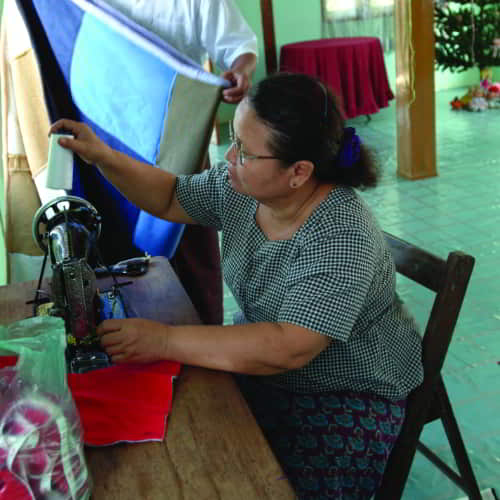
Vocational training transforms widows from aid recipients into self-sufficient entrepreneurs. This dignity-focused approach empowers women to provide for their families long-term. A widow might receive a sewing machine, comprehensive tailoring training, and startup supplies to launch her own business. Within months, she can support her family with dignity and independence. GFA World’s approach mirrors successful microenterprise programs documented by development economists worldwide.[8]

Income-generating gifts like dairy animals provide ongoing income streams that transform entire families. A widow who receives a cow can sell milk daily, creating steady cash flow for school fees, medical care, and basic necessities. She can also breed the animal, multiplying her assets over time. These practical gifts address immediate food security while building long-term economic stability. The ripple effects extend beyond individual families to strengthen entire communities as widows gain purchasing power and economic voice.

Support for Military Widows and Surviving Spouses

In nations with military service, widows of veterans may access additional specialized programs designed to honor their sacrifice and loss. The Department of Veterans Affairs provides dependency and indemnity compensation (DIC) to eligible military survivors who lost loved ones in the line of duty or from service-connected disabilities. This tax-free monthly benefit helps offset the devastating financial impact of losing a service member.[9]

DIC rates for 2026 start at $1,699.36 per month for surviving spouses. Additional amounts may be available based on specific circumstances, such as having dependent children under 18 or caring for adult disabled children. Surviving spouses may also access healthcare through CHAMPVA, educational benefits through the GI Bill, and home loan assistance through VA-backed programs. The VA provides comprehensive support recognizing the unique sacrifices military families make. These benefits can provide crucial stability during an otherwise devastating transition, though navigating the complex application process often requires professional assistance from veteran service organizations or accredited representatives.[15]

However, for widows in regions where GFA serves, such formal government programs rarely exist. Life insurance coverage is often nonexistent in developing nations, leaving families completely vulnerable. National pension systems may be absent or inaccessible to rural widows. This makes alternative support systems absolutely essential for survival.

Maximizing Social Security Survivor Benefits

Whether a widow reaches full retirement age or faces early widowhood, sustainable support makes all the difference between destitution and stability. Different resources serve different life stages and circumstances. The Social Security Administration notes that benefits increase the longer widows wait to claim them. Those who claim at age 60 receive 71.5 percent of the deceased’s benefit. The percentage increases incrementally with age until reaching 100 percent at full retirement age. For most widows born after 1960, full retirement age is 67. Divorced spouses who were married at least ten years may also qualify for survivor benefits.[10] Understanding these options and timing considerations helps widows maximize their long-term financial security and avoid costly mistakes.

A Future of Hope and Dignity Through GFA World

GFA World serves widows regardless of age, financial status, or circumstance. The organization recognizes that every widow deserves dignity, hope, and practical pathways out of poverty. This compassionate approach reflects Christ’s heart for vulnerable populations throughout Scripture. From the Old Testament commands to care for widows and orphans to Jesus’ compassion for the widow of Nain, God’s concern for widows runs throughout biblical history.

These are just a few ways to give widows the help they need. They can avoid deep poverty, hardship for their families and removing their children from school. Every day that passes without intervention increases their vulnerability and desperation. Your gift to help widows is the gift of hope and opportunity for a widow with very few opportunities. Your partnership provides both immediate relief and lasting transformation through God’s provision.

She will likely face many hardships in the wake of her grief. Yet you can make a difference in her life by providing help through GFA World. GFA missionaries see widows through the love of Jesus Christ. They offer them hope for now and for eternity.

If a widow can own her business or be trained in a skill that can garner good wages, she can own her life with dignity. She knows she has support from people who will love and support her.

Learn more about charities that help widows

[1] “Explainer: What you should know about widowhood.” UN Women. https://www.unwomen.org/en/news/stories/2021/6/explainer-what-you-should-know-about-widowhood. June 21, 2021.
[2] “International Widows’ Day 23 June.” United Nations. https://www.un.org/en/observances/widows-day. Accessed October 19, 2022.
[3] “Survivor benefits.” Social Security Administration. https://www.ssa.gov/survivor. Accessed January 25, 2026.
[4] “Help for Surviving Spouses.” Consumer Financial Protection Bureau. https://www.consumerfinance.gov/consumer-tools/educator-tools/resources-for-older-adults/discover-resources-for-surviving-spouses/. Accessed January 25, 2026.
[5] “Financial Help for Widows: Managing Debt, Mortgage & Social Security.” InCharge Debt Solutions. https://www.incharge.org/debt-relief/financial-help-widows/. May 19, 2025.
[6] “Explainer: What you should know about widowhood.” UN Women. https://www.unwomen.org/en/news/stories/2021/6/explainer-what-you-should-know-about-widowhood. June 21, 2021.
[7] “Support Groups.” Hope for Widows Foundation. https://hopeforwidows.org. Accessed January 25, 2026.
[8] “Income-Generating Gifts.” GFA World. https://www.gfa.org/gift/. Accessed January 25, 2026.
[9] “About VA DIC for spouses, dependents, and parents.” Department of Veterans Affairs. https://www.va.gov/family-and-caregiver-benefits/survivor-compensation/dependency-indemnity-compensation/. Accessed January 25, 2026.
[10] “What you could get from Survivor benefits.” Social Security Administration. https://www.ssa.gov/survivor/amount. Accessed January 25, 2026.
[11] “Invisible and Excluded: The Fate of Widows and Divorcees in Africa.” World Bank. https://www.worldbank.org/en/news/feature/2018/01/20/invisible-and-excluded-the-fate-of-widows-and-divorcees-in-africa. January 20, 2018.
[12] “Social Security Survivor Benefits: 10 Things Spouses Need to Know.” AARP. https://www.aarp.org/social-security/survivor-benefits-eligibility-checklist/. May 1, 2025.
[13] “Form SSA-10 | Information You Need to Apply for Widow’s, Widower’s or Surviving Divorced Spouse’s Benefits.” Social Security Administration. https://www.ssa.gov/forms/ssa-10.html. Accessed January 25, 2026.
[14] “Wings for Widows.” https://www.wingsforwidows.org/. Accessed January 25, 2026.
[15] “Current DIC rates for spouses and dependents.” Department of Veterans Affairs. https://www.va.gov/family-and-caregiver-benefits/survivor-compensation/dependency-indemnity-compensation/survivor-rates/. Accessed January 25, 2026.