How Can I Help Missionary Work in Africa?
Missionary work in Africa is an ongoing venture. Laborers work to share the good news with millions of people in need on the African continent. There are 1.4 billion people living in Africa. This accounts for 17.62% of the world’s total population.[1][2]
According to Joshua Project, the continent of Africa is home to thousands of distinct people groups. Many communities across West Africa, East Africa, and Southern Africa still need to hear about Christ’s love. These diverse cultures and languages create both challenges and opportunities for those engaged in the mission field.
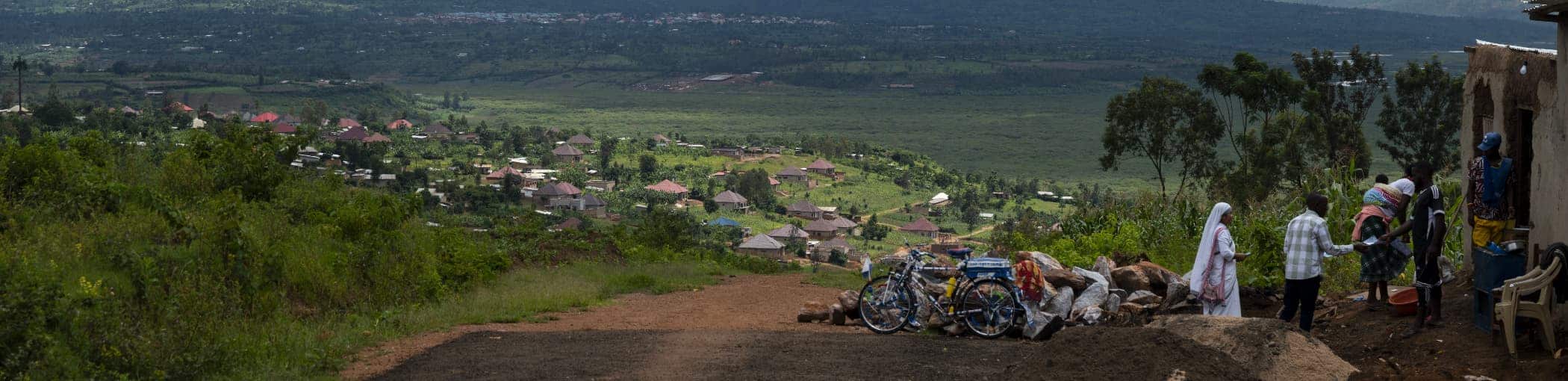
Africa is the world’s second largest continent after Asia. Even as more people move from rural areas into cities, much of the continent is still rural.
Research from the UN shows that about 79 percent of the world’s poor live in rural areas. The poverty rate in rural areas is 17.2 percent. This is more than three times higher than in urban areas.
The standard of living for most of Africa is well below international averages. Life expectancies are way under 60 years in most cases.[3] Many people also lack proper sanitation and medical care. The water supply is inadequate for large portions of the population.[4]
The World Bank estimates that about 464 million people in sub-Saharan Africa were living in extreme poverty in 2024. This represents a significant challenge for community development efforts. Many families struggle to access basic necessities like food, clean water, and healthcare.
In 2020, about 282 million people in Africa were experiencing hunger. Worldwide events in recent years have only intensified the problem.[5]
GFA World has over 45 years of ministry experience in South Asia. The organization is now expanding its work into Africa. The African headquarters are being established in Kigali, Rwanda. In this city, the first GFA church has already been launched. Several hundred believers are meeting and worshiping together.
This expansion brings Christ’s love to new communities through practical service. GFA World trains national workers who understand local ministry needs. These workers can share Christ effectively within their own cultural contexts. Studies on effective missions show that long term partnerships with local churches create sustainable change. This approach differs from short term mission trips that may lack continuity.
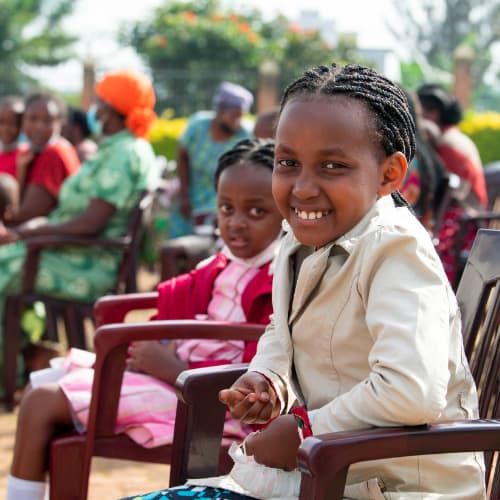
Besides the church, we have also set up a new branch of our child sponsorship program in Kigali. This program helps make sure poor children get an education. Education is one of the main keys to breaking out of the cycle of poverty. This is an amazing ministry because 32 million children do not attend school in sub-Saharan Africa.[6]
Data from the Oxford Poverty and Human Development Initiative reveals that 340 million African children under 18 are multidimensionally poor. Of these, 225 million are under age 10. Education provides pathways out of poverty that last for generations. By addressing educational barriers, GFA World helps transform entire communities.
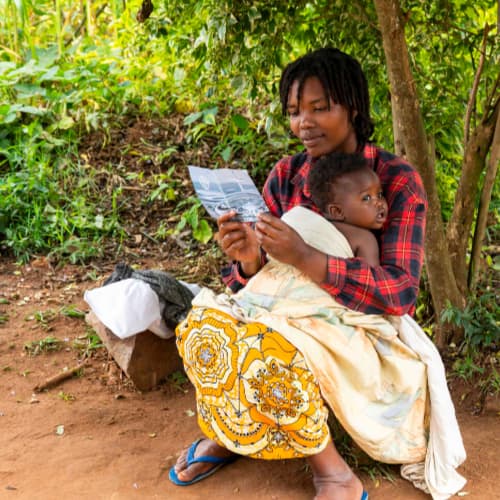
GFA’s African ministry is highly focused on meeting the tangible needs of people. The ministry brings the Gospel to those who need it most, just as it is in South Asia. This focus includes addressing vital needs such as inadequate healthcare and a lack of available clean water.
Research on poverty in Africa confirms that health problems lead to reduced productivity. They also increase healthcare expenses. These factors perpetuate cycles of chronic poverty. When people are too ill to work or attend school, they cannot make strides toward prosperity. Community development initiatives that address health needs break these cycles.
GFA World’s approach combines spiritual hope with practical help. This holistic ministry reflects Christ’s love in tangible ways. By meeting physical needs, workers build trust and demonstrate God’s compassion. Through this service, they share Christ with those who are hurting and searching for hope.
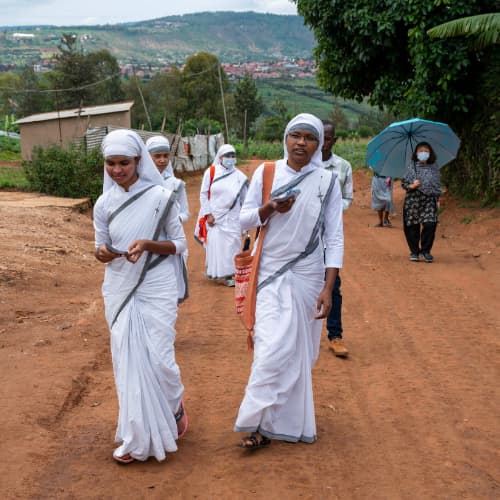
GFA is in the process of training national missionaries. This includes the women of the Sisters of Compassion. They are specially trained to serve in areas of crisis like slums and leprosy colonies. These missionaries address these and many other needs.[7]
Academic research on reaching unreached people groups emphasizes the importance of national workers. They possess cultural understanding and language skills that enable effective ministry. National missionaries can navigate social structures and build relationships more naturally. This approach ensures long term sustainability. It creates indigenous church movements that continue after outside workers depart.
Effective ministry focuses on community development alongside spiritual growth. EBSCO research indicates that more than 80 percent of sub-Saharan Africans experiencing extreme poverty live in rural areas. They depend on agriculture for livelihood and food. Community development initiatives must address these economic realities.
Local ministry partners understand community needs best. They identify priorities and cultural considerations. Outside organizations like GFA World come alongside to provide resources and training. This partnership model respects local wisdom. It empowers communities to lead their own transformation.
This is extensive work that has been initiated. There are many resources needed to continue the growth of the ministry. GFA World is continuing to work on getting further established in Rwanda. The organization is making plans to spread out across neighboring countries. These include Burundi, Tanzania, Kenya, Uganda and South Sudan.[8]
Africa Inland Mission reports that just under 1,000 people groups in Africa remain without the Gospel. This amounts to around 380 million people. Many of these unreached groups are located in the regions where GFA World plans to expand. The need for workers in this vast mission field is urgent. Prayer and support are essential for this work to move forward.
Expansion into West Africa and other regions requires careful planning. Experience from other mission organizations shows that genuine partnerships with local ministry leaders create lasting impact. These relationships allow outsiders to support ongoing work effectively. They ensure that resources benefit communities according to locally identified needs. GFA World seeks to build such partnerships as it grows.
The mission field across Africa includes diverse regions like Southern Africa and South Africa. Organizations working in South Africa report significant ministry opportunities in informal settlements. Short term mission trips and long term commitments both play important roles. Short term participants often become lifelong supporters. Research suggests that mission experiences create “world Christians” who continue supporting missions throughout their lives.
Consider donating to GFA World through our website to help our efforts in Africa continue. Please also pray for GFA and for the people we will encounter through our work in Africa.
Your partnership enables workers to bring hope to communities across the African continent. Both short term support and long term commitment make a difference. Through community development projects, clean water initiatives, and educational programs, GFA World demonstrates Christ’s love. Your prayers and gifts help share Christ with those who need Him most. Together, we can transform lives and reach unreached people groups across Africa.
Learn more about GFA’s missionaries in Africa[1] “Total population of Africa from 2000 to 2030.” Statista. https://www.statista.com/statistics/1224168/total-population-of-africa/. Accessed October 27, 2022.
[2] “Forecast about the development of the world population from 2022 to 2100.” Statista. https://www.statista.com/statistics/262618/forecast-about-the-development-of-the-world-population/. Accessed October 27, 2022.
[3] “Africa.” World Data. https://www.worlddata.info/africa/index.php. Accessed October 28, 2022.
[4] Ibid.
[5] “GFA World Expands Ministry to Africa.” GFA World. https://www.gfa.org/africa/. Accessed October 28, 2022.
[6] “Forecast about the development of the world population from 2022 to 2100.” Statista. https://www.statista.com/statistics/262618/forecast-about-the-development-of-the-world-population/. Accessed October 27, 2022.
[7] Ibid.
[8] Ibid.