What Does GFA’s Missionary Involvement in Africa Look Like?
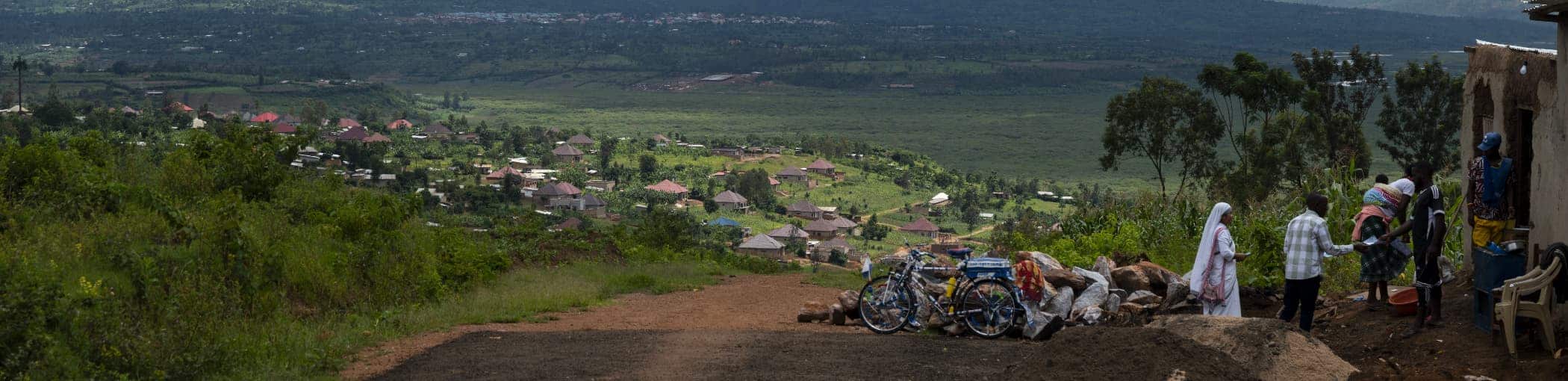
GFA World has recently established its missionary involvement in Africa. Christian diffusion in Africa was facilitated by vast missionary efforts throughout history, with the share of Christians growing from 9% in 1910 to 63% by 2010. It began with a branch of GFA’s Child Sponsorship Program in Kigali, Rwanda, in March 2021. From there, we plan to spread out to additional African nations in the next few years. This region represents a vital part of Africa where needs are great. European missionaries first brought the Gospel to many areas in the 1800s. Today, the work continues through national believers who understand their own cultures. The mission of GFA is the same in Africa as it has been in South Asia for the last 40 years: to meet the tangible needs of people and to show the love of God to those who need it most.[1]
The mission field in Africa requires workers who understand local cultures and speak local languages. Through God’s grace, GFA is establishing training programs for national missionaries. These missionaries can share the Good News with their own people more effectively than outsiders. Missionary societies throughout history recognized this principle in places like Sierra Leone and South Africa. Early missionaries often struggled with language barriers and cultural differences. National workers overcome these challenges naturally. They build trust quickly within their communities.
Our goal is to partner with local officials to meet some of Africa’s most pressing needs, while sharing the love of Christ as we do it. The WHO African Region carries a disproportionately high share of the global malaria burden, with 95% of malaria cases and deaths occurring there. Over a million people have died of preventable and treatable diseases like malaria, tuberculosis and HIV-related illnesses. Children under 5 account for about 75% of all malaria deaths in the region. Research shows that tuberculosis, HIV/AIDS, and malaria remain far greater health priorities based on their disease burdens. These illnesses prevent families from working and caring for their children. In response, we have begun a medical ministry with healthcare training seminars, medical camps, vitamins, supplements and deworming tablets.[2][3]
Medical care remains limited across much of Africa. Many families must travel hours to reach the nearest clinic. By providing basic healthcare training and supplies, GFA helps fill critical gaps. Training local healthcare workers ensures sustainable solutions for communities. Simple interventions can save countless lives.
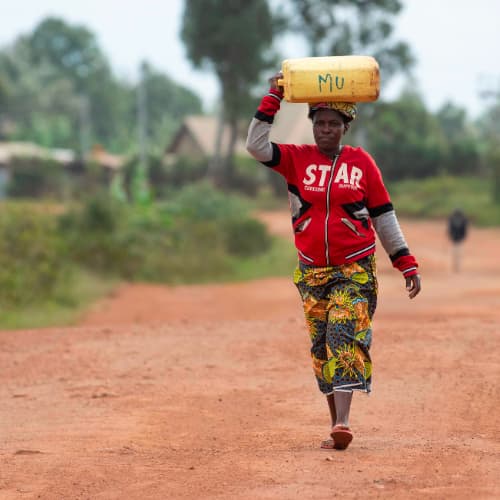
Precipitation and water distribution vary between countries, making Africa a very dry continent. More than a fourth of the people in Africa have no access to safe drinking water.[4] According to the African Development Bank, 411 million people in Africa still lack basic drinking water service. In many countries with available data, women and girls are primarily responsible for water collection. Many in sub-Saharan Africa spend more than 30 minutes per day collecting water. This burden keeps girls from attending school regularly. It also exposes women and children to dangers along remote paths. This makes GFA’s clean water projects, like Jesus wells, even more important. Wells have already been installed in Rwanda, serving hundreds of people a day.
Each well becomes a gathering place where neighbors can draw safe water. There they experience the kindness of God through concrete care. Clean water prevents diseases that once claimed many young lives. Families save time and energy they can now invest in education and work.
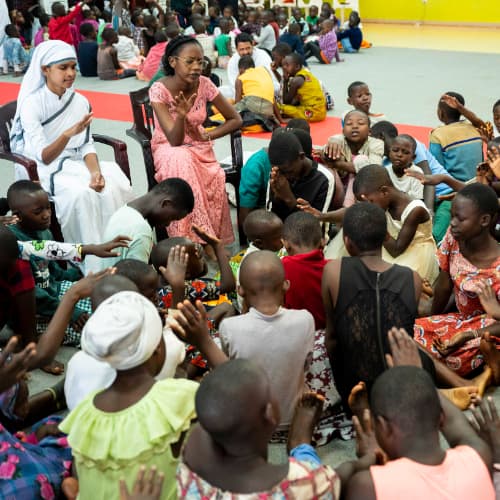
Education is often sacrificed in poverty-stricken areas to meet immediate needs like food and other basic necessities. Yet receiving an education is one of the keys to breaking out of poverty. UNESCO reports that 9 million girls between the ages of about 6 and 11 will never go to school at all, compared to 6 million boys. Their disadvantage starts early: 23% of girls are out of primary school compared to 19% of boys. By the time they become adolescents, the exclusion rate for girls reaches 36%. Many girls drop out once they reach puberty due to lack of facilities and safety concerns. In sub-Saharan Africa alone, 32 million kids do not attend school. This is why GFA’s child sponsorship program is a vital part of the solution to breaking the cycle of poverty.[5]
Without education, children face limited opportunities for the future. They often repeat the same struggles their parents faced. GFA’s sponsorship program helps provide essentials such as nutritious meals, tutoring, and school supplies. Children receive hope and practical support to stay in school. Education empowers them to build better lives.
Medical ministry, water and education are just the beginning of the ministries GFA World is planning to establish in Africa. Plans for future ministry include broadcasting the Good News, women’s empowerment, income-generating gifts and youth ministries.[6] These ministries meet other vital needs in the communities where GFA World is serving.
Each initiative addresses real challenges that families face daily. Women’s empowerment programs help mothers provide for their children. Income-generating gifts like livestock create sustainable solutions. Youth ministries give young people hope for their future. Broadcasting reaches remote villages where missionaries cannot easily travel. These combined efforts demonstrate Christ’s love in practical ways.
The coming training center for national missionaries will raise up missionaries who are passionate about sharing the Good News and establishing churches among people who do not yet know Christ. Indigenous believers are trained to share the gospel in local languages through traditional methods. These national workers understand their people’s unique customs and beliefs. Church planting in Africa requires workers who can minister effectively across different tribes. The training center will equip believers to establish local churches that can act as centers of compassion. Jesus Christ is at the heart of this mission. Training includes biblical teaching, practical ministry skills, and cultural sensitivity. Graduates emerge ready to serve their communities faithfully.
National missionaries can reach unreached people groups more effectively than foreign workers. They already speak the languages and understand the cultures. This makes their ministry more natural and sustainable. Missions training in English, French and local languages prepares disciple-makers for ministry. Graduates plant indigenous churches that are self-nurturing and self-propagating. They reach their own people and neighboring communities with the Gospel. Their impact multiplies as they train others.
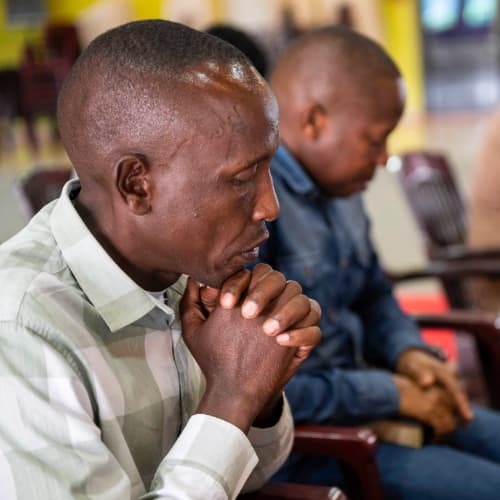
Consider donating to and praying for GFA’s growing ministry in Africa as we get further established in Rwanda and begin spreading out to neighboring countries. Even a small gift or simple prayer can make a huge difference in bringing the Gospel to people who have not yet heard the name of Jesus in Africa.
Your partnership helps train national missionaries and plant churches. Together, we can bring hope to communities that desperately need it. The work in Africa is just beginning, and the potential for transformation is immense. God is moving powerfully across this continent. Believers are rising up to serve their neighbors in Christ’s name.
Learn more about GFA’s missionaries in Africa[1] “GFA World Expands Ministry to Africa.” GFA World. https://www.gfa.org/africa/. Accessed October 28, 2022.
[2] Pheage, Tefo. “Dying from Lack of Medicines.” UN: Africa Renewal. https://www.un.org/africarenewal/magazine/december-2016-march-2017/dying-lack-medicines. December 2016-March 2017.
[3] “GFA World Expands Ministry to Africa.” GFA World. https://www.gfa.org/africa/. Accessed October 28, 2022.
[4] “Africa’s Priorities for Sustainable Development.” UN: Africa Renewal. https://www.un.org/africarenewal/magazine/april-2012/africa%E2%80%99s-priorities-sustainable-development. April 2012.
[5] “GFA World Expands Ministry to Africa.” GFA World. https://www.gfa.org/africa/. Accessed October 28, 2022.
[6] Ibid.