
How Are Women Christian Missionaries Making an Impact Through GFA World?
Women Christian missionaries are at the forefront of transformation ministry efforts through GFA World, bringing hope and practical solutions to communities facing poverty, illiteracy and spiritual need. These Christian women serve across Africa and Asia with practical compassion. Their care is personal before it is programmatic: they listen, pray, teach, and return until trust has room to grow.
In that sense, female christian missionaries answer a need that is both spiritual and deeply human. They help women who want someone to understand their grief, encourage their children, and speak of Christ with gentleness rather than pressure. GFA World’s model values the patient presence of women who already know the rhythms of the communities they serve.
This kind of service is slow by design. A woman may need several visits before she speaks freely about fear or loss. Patient presence gives that trust time to form, and quiet ministry often bears fruit after many small acts.
How Do Sisters of the Cross Serve?
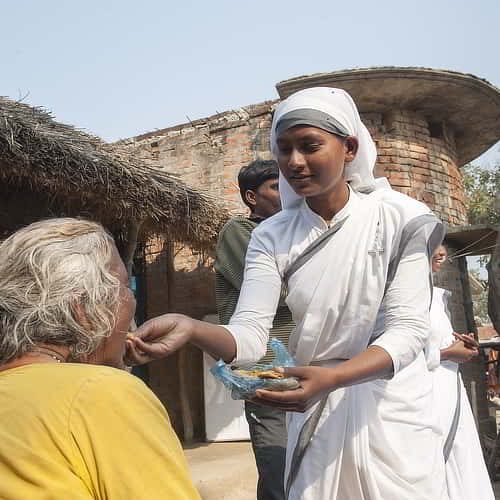
One of the most notable initiatives empowering women to serve is GFA World’s Sisters of the Cross program. These women missionaries receive special training which helps them to effectively serve among marginalized populations such as widows and those living in slums and leprosy colonies. Through our ministry, Sisters of the Cross serve the poorest of the poor, often in remote villages where access to resources is scarce.
Women missionaries serve vulnerable communities by combining local trust with practical care. The United Nations notes that widows may face poverty, discrimination, social exclusion and harmful practices after a husband’s death. In these settings, a Sister of the Cross can sit with a grieving woman, hear concerns that might never be spoken publicly, and respond with kindness shaped by the Good News.
Their daily work reflects the heart of Jesus as they meet physical needs while sharing the life-changing message of the Good News. This is missionary work expressed through small, faithful acts: a meal delivered, a wound cleaned, a prayer offered, or a skill taught with patience.
Such care keeps social help and spiritual response in their proper order. Food, medical attention and friendship are given freely because people bear God-given worth. When someone later asks about the hope behind that love, the conversation grows from trust rather than transaction.
Why Do Education and Skills Matter?
As Sisters of the Cross provide medical aid, distribute food and offer vocational training, these women help restore dignity and hope to those in desperate situations. Their dedication exemplifies the mission of GFA World—to serve with Christ-like compassion and uplift the vulnerable.
Education gives women tools that strengthen households. UNESCO reports that literacy improves participation in work, child and family health, nutrition, poverty reduction and life opportunities, while 739 million adults still lack basic literacy skills.[1] That context matters when a woman missionary teaches reading, counting or tailoring in a village where opportunity has been thin.
Another area where women missionaries are making an impact is through GFA World’s initiatives for empowering women. These efforts include equipping women in impoverished communities with education and vocational skills, such as tailoring, which enable them to generate income and help support their families. By addressing the root causes of poverty, we foster long-term transformation in families and communities.
Skills training also fits a wider development pattern. The World Bank says educating girls and women drives employment, reduces poverty, and supports healthier families and stronger communities.[2] A sewing class, literacy lesson or savings habit may look ordinary, yet it can help a mother make steadier decisions for her children.
For GFA World’s women missionaries, empowerment is never merely economic. It is a way to tell a woman, by word and deed, that she is seen by God. A new skill can put food on the table, but it can also restore courage to someone who had been taught to expect very little. That courage can become the first step toward wider change.
How Do Women Build Local Trust?
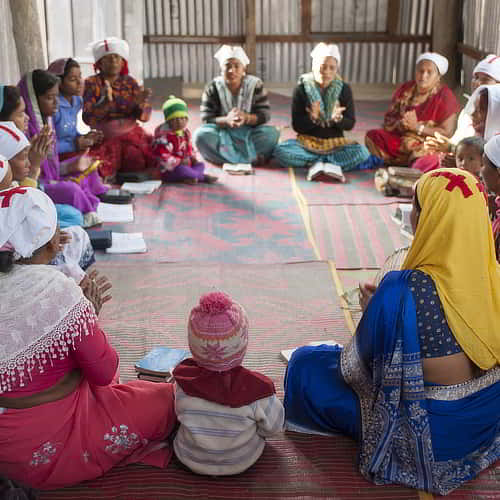
Additionally, our women missionaries play a critical role in mentoring and discipling other women. In cultures where women often lack opportunities for education or leadership, the presence of female missionaries serves as a beacon of possibility. Through Bible studies, literacy programs and personal mentoring, these women provide spiritual encouragement and help others discover their God-given potential.
Trust grows when a missionary understands the language and the home. SIM USA explains that cross-cultural workers learn a local language to communicate clearly, show respect, and build authentic relationships with the local community; the same principle applies when national workers serve neighbors whose speech and customs are already familiar. Its language-learning guide says this slow work builds relationships before deeper conversations are possible.
That is why the phrase learned the language matters in mission history and in daily service. A woman who knows local words for grief, shame, hope and family can comfort with unusual precision. She can also recognize when silence carries more meaning than speech.
The local church also helps prepare women for long service. Before a worker ever reaches the mission field, trusted leaders can test gifts, pray steadily, and offer honest counsel. The International Mission Board urges churches to confirm a woman’s calling, equip her intentionally and connect her with other women as she prepares. That counsel reflects a larger truth: women who are supported before they go can serve with deeper resilience after they arrive.
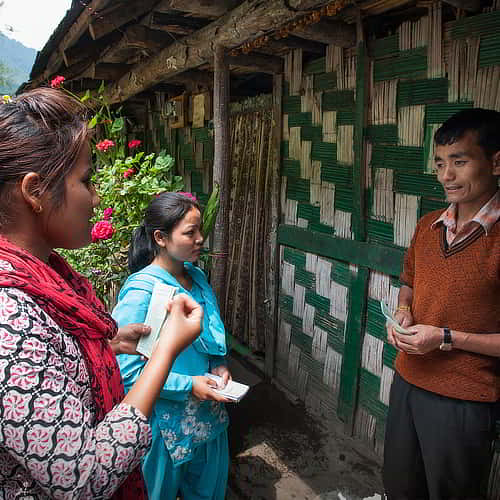
Health care is another key focus area. Our women missionaries frequently organize health-awareness campaigns and provide basic medical care in regions where access to clinics is limited. By addressing pressing health issues such as malnutrition or hygiene education, they improve the overall well-being of entire communities.
Health awareness can be especially valuable where clinics are far away. The World Health Organization says community health workers can extend care to remote and historically marginalized people in culturally appropriate ways through local health service. Women missionaries are not substitutes for doctors, yet simple teaching about hygiene, nutrition and early warning signs can help families seek care sooner. Their repeated visits also help families remember and practice what they have learned.
The same steady rhythm helps mentoring take root. A girl who sees a woman read Scripture, teach clearly and serve with courage receives a living example. Possibility becomes easier to imagine when it has a familiar face.
What Legacy Shapes Women Missionaries?
Women missionaries today stand in a long line of believers who served with courage. Their stories remind the church that women have often carried the Good News into places where patient presence opened doors. The names are familiar, but their deepest lesson is ordinary faithfulness over many years.
Lottie Moon, a Southern Baptist missionary from the United States, served in China for 39 years, taught girls, made trips into the interior and wrote letters that stirred support for more workers. The IMB biography says Woman’s Missionary Union named the annual Christmas offering for international missions after her in 1918. Her life gave a missionary society model of prayer, giving and long obedience.
Moon’s legacy shows how one woman’s obedience can strengthen the whole church. Her letters did not merely preserve memories; they invited ordinary believers to pray and give with courage. That pattern still matters when local workers need friends who will stand with them from far away.
Amy Carmichael founded the Dohnavur Fellowship in 1901 and remained in South Asia for 56 years, caring for children and young girls who needed protection and a home. Dohnavur Fellowship records that her work grew into homes, schools, workshops and health care, showing how mission work can become a family of service. Her example still speaks because it joins tenderness with endurance.
Their lives were not romantic. Loneliness, illness, misunderstanding and danger marked many of their years. Yet each woman kept choosing the next faithful task, and that is often how lasting ministry is built. Their endurance keeps modern stories from becoming shallow or sentimental.
Mary Slessor sailed for Africa in 1876 and served in Nigeria, where Christian History Institute says she protected vulnerable women and children while teaching that lives have value. The same account notes that her last words were a prayer in the Efik language, a sign of how deeply she belonged among the people she served. Her story shows how long service can move from arrival to belonging.
Stories like these widen the reader’s imagination. A woman missionary may teach, nurse, advocate, translate, mentor or sit quietly beside someone in grief. The common thread is love made visible through service that stays.
Gladys Aylward was once rejected by a training committee, yet she traveled to China in 1932 and later led 100 children to safety during the Japanese invasion before World War II ended. Christian History Institute reports that she eventually spoke, read and wrote Chinese fluently. Her story shows that God called women whose gifts were not always recognized at first.
Why Does Partnership Still Matter?
GFA World’s commitment to empowering women missionaries underscores the vital role they play in holistic ministry. By meeting physical, emotional and spiritual needs, these women embody Christ’s love and serve as agents of hope in some of the world’s most challenging environments. Through their work, GFA World is not only transforming lives but also demonstrating the profound difference women can make when equipped and called to serve in Jesus’ name.
Partnership keeps that service steady. A woman missionary needs training, prayer, encouragement and practical support if she is going to keep visiting homes after the first welcome fades. The church that sends and the worker who goes share one ministry, even when they stand on different sides of the world. It is shared work.
Girls’ education and women’s training continue to carry generational weight. Better educated women and girls tend to be more informed about nutrition and health care, and they are more likely to participate in formal work, according to World Bank research. When GFA World equips women to teach, mentor and serve, that investment can touch families long after one class or visit ends. A trained worker may become the steady friend a family remembers for years.
That is why support for women missionaries is more than a budget line. It gives a trained servant enough stability to keep loving the same community over time. The fruit of that steadiness may appear first in one woman, then in a family, and then in neighbors who begin to hope again.
Sustained partnership also keeps the focus human. Donors are not funding abstractions; they are supporting a woman missionary who keeps serving real families. Prayer, giving and encouragement together become a quiet act of shared love.
Learn more about the life of a Christian missionary who serve at GFA World[1] “Literacy.” UNESCO. https://www.unesco.org/en/literacy. Accessed May 1, 2026.
[2] “Girls’ Education.” World Bank Group. https://www.worldbank.org/en/topic/education/brief/girls-education. Accessed May 1, 2026.